
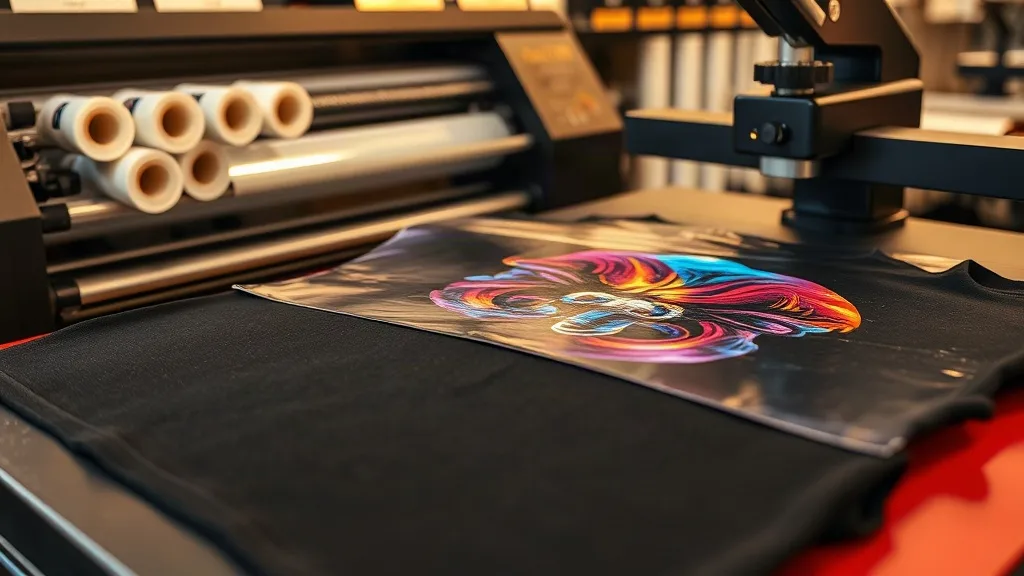
If you're new to the world of custom apparel, you've likely heard about dtf printing. It's the latest buzz in the industry, and for good reason. DTF, or Direct to Film, is revolutionizing how we print on fabrics. Unlike traditional methods that require specific materials or complex setups, dtf transfers offer a versatile and accessible solution for everyone from hobbyists to large-scale producers. In this guide, we'll walk you through everything you need to know to get started with DTF transfers and achieve professional results at home or in your shop.
Whether you're looking to create custom t-shirts for your team, start a print-on-demand business, or simply explore a new creative outlet, understanding DTF transfers can open up a world of possibilities. Let's dive in.
What Are DTF Transfers?
DTF stands for Direct to Film. It's a printing technology where your design is printed onto a special PET film using a DTF printer. The printer lays down a layer of white ink, followed by CMYK colors, and then a adhesive powder is applied to the wet ink. This powder melts and bonds with the ink when heated, creating a transfer that can be applied to various fabrics.
The key difference between DTF and other methods like DTG (Direct to Garment) or screen printing is that DTF transfers are printed on a film first, then transferred to the fabric using a heat press. This two-step process allows for greater flexibility in terms of fabric types and colors.
How DTF Transfers Differ from Other Printing Methods
DTG printing directly applies ink to the garment, which works best on 100% cotton. Screen printing requires a separate screen for each color and is cost-effective for large orders but not for small batches. Vinyl cutting is great for simple designs but limited in detail and color.
DTF transfers, on the other hand, can be used on almost any fabric, including cotton, polyester, blends, and even leather. They can reproduce full-color, photographic-quality images with fine details. And because the design is printed on a film, you can store the transfers and apply them on demand, making them ideal for print-on-demand businesses.
Why Choose DTF Transfers?
There are several compelling reasons to choose DTF transfers for your printing needs.
- Versatility: Works on a wide range of fabrics and colors, including dark and light materials.
- Durability: When applied correctly, DTF transfers are highly durable and can withstand repeated washing without fading or cracking.
- Detail and Color: DTF printers can produce intricate details and vibrant colors, making them perfect for complex designs.
- No Weeding or Cutting: Unlike vinyl, there's no need to weed or cut around your design. The printer does all the work.
- Cost-Effective for Small Batches: No minimum order quantities, making it accessible for small businesses and individual creators.
- Soft Hand Feel: Modern DTF transfers have a soft, flexible feel that doesn't crack or peel.
These advantages make DTF transfers a favorite among apparel decorators, especially those who need to produce high-quality custom items quickly and efficiently.
The DTF Transfer Process Step by Step
Understanding the process from start to finish will help you appreciate the technology and achieve better results.
1. Design Preparation
Start with a high-resolution image. DTF printing can handle detailed graphics, but low-resolution images will not magically improve. Use design software like Adobe Photoshop or Illustrator to prepare your artwork. Ensure your design is in CMYK color mode and has a transparent background if needed. Remember that white ink will be printed underneath the colors, so you don't need to create white underlays manually.
2. Printing the Transfer
Load the PET film into your DTF printer. The printer will first print a layer of white ink, then the CMYK colors on top. After printing, the film passes through a powder shaker that applies a fine layer of hot-melt adhesive powder. Excess powder is removed, and the film goes through a curing oven to melt the powder. The result is a ready-to-use transfer.
3. Applying the Transfer
To apply the transfer, you'll need a heat press. Set the temperature to around 325°F (160°C) and pre-press the garment for a few seconds to remove moisture. Place the transfer on the garment with the printed side facing up. Press for 10-15 seconds with medium pressure. Then, wait for the transfer to cool completely before peeling off the film. This is called a cold peel. Some transfers are hot peel, so always check the instructions from your supplier.
After peeling, you may want to press again for a few seconds with a protective sheet to ensure the transfer is fully bonded.
Choosing the Right DTF Transfer for Your Project
Not all DTF transfers are created equal. When selecting transfers, consider the following factors:
- Film Type: There are different films for different printers. Make sure the film is compatible with your printer and ink.
- Ink Quality: Use high-quality DTF inks to ensure vibrant colors and durability.
- Powder: The adhesive powder should be fine and evenly applied. TPU powder is commonly used for its flexibility.
- Transfer Size: Ensure the transfer fits your garment and press.
- Supplier Reputation: Buy from reputable suppliers who provide consistent quality.
If you're not printing yourself, you can order custom DTF transfers from professional services. They can print your designs and ship them to you, ready to apply.
Common Challenges and How to Overcome Them
Even with a great setup, you might encounter some issues. Here are a few common problems and their solutions.
Transfer Not Adhering Properly
This could be due to insufficient pressure, incorrect temperature, or not enough time. Check your heat press settings and ensure you're using the correct parameters for your transfer. Also, make sure the garment is free of wrinkles and moisture.
Colors Look Dull
Dull colors often result from improper ink settings or low-quality ink. Ensure your printer is using the correct color profile and that the ink is fresh. Also, the white ink layer should be opaque enough to make colors pop, especially on dark garments.
Transfer Cracking or Peeling After Washing
This usually happens when the transfer wasn't applied correctly or the powder wasn't fully cured. Make sure you follow the application instructions precisely, including the cooling step. Also, wash the garment inside out in cold water and avoid harsh detergents.
Tips for Success with DTF Transfers
Here are some expert tips to help you get the best results:
- Test Your Settings: Before a big order, test on a scrap fabric to dial in your heat press settings.
- Use a Teflon Sheet: When pressing, use a Teflon sheet or parchment paper to protect the transfer and the press.
- Store Transfers Properly: Keep unused transfers in a cool, dry place away from direct sunlight.
- Pre-Treat Garments: Pre-press garments to remove moisture and wrinkles.
- Follow Instructions: Always follow the specific instructions provided by your transfer supplier.
By following these tips, you'll minimize errors and produce professional-looking apparel every time.
Frequently Asked Questions About DTF Transfers
What fabrics can I use with DTF transfers?
DTF transfers work on a wide range of fabrics, including cotton, polyester, cotton-poly blends, nylon, leather, and even some synthetics. They adhere well to both light and dark materials.
How long do DTF transfers last?
When applied correctly, DTF transfers can last as long as the garment itself. They are durable and resistant to cracking, peeling, and fading, even after multiple washes.
Can I stretch DTF transfers?
DTF transfers have some stretchability, but they are not as elastic as the fabric itself. For highly stretchable fabrics like spandex, the transfer may crack if stretched excessively. It's best to avoid stretching the printed area.
Do I need a special printer for DTF?
Yes, DTF printing requires a dedicated DTF printer that uses DTF ink and can handle PET film. However, you can also order custom DTF transfers from professional services if you don't want to invest in a printer.
What is the difference between DTF and DTG?
DTG (Direct to Garment) prints directly onto the fabric, while DTF prints onto a film that is then transferred to the fabric. DTF works on more fabric types and doesn't require pre-treatment, whereas DTG is mostly for cotton and requires pre-treatment for best results.
DTF transfers are a game-changer for custom apparel. With the right knowledge and tools, you can create stunning, durable prints that impress. Whether you're a hobbyist or a business owner, embracing DTF technology can elevate your creations. So, gather your designs, fire up your printer or order your transfers, and start bringing your ideas to life on fabric.