
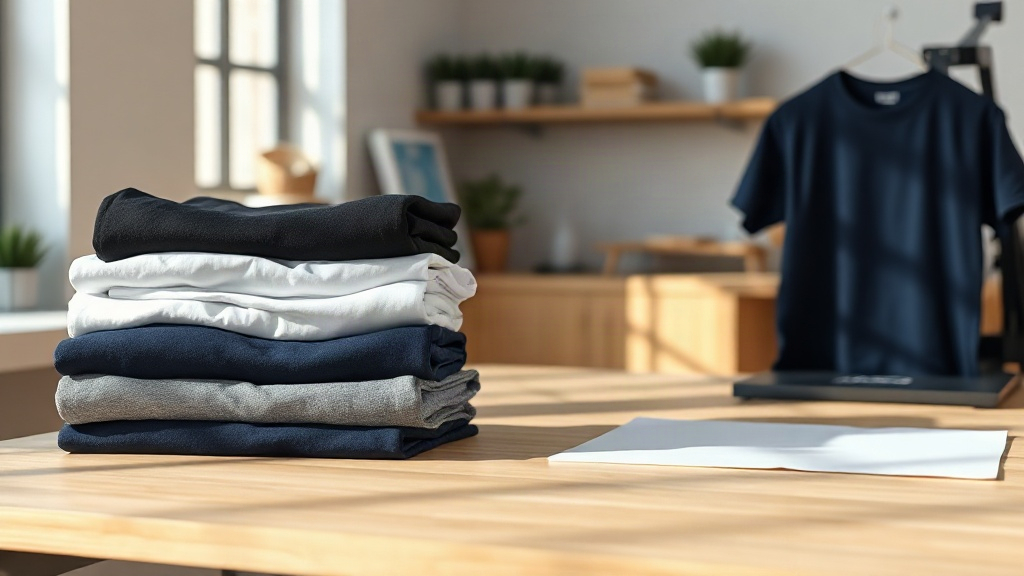
When it comes to creating standout apparel with DTF transfers, the foundation you choose matters just as much as the design itself. Smart blanks are engineered to work seamlessly with heat-applied graphics, offering the right blend of fabric composition, weave, and finish. Among the top choices, Shaka Wear has built a reputation for producing blanks that consistently deliver crisp, vibrant results. Whether you're a seasoned decorator or just starting out, understanding how to pair the right blank with your transfer method can mean the difference between a print that lasts and one that peels after a few washes.
In this guide, we'll explore what makes a blank 'smart' for DTF, why Shaka Wear stands out, and how to avoid common pitfalls. You'll also get practical tips for testing, prepping, and applying transfers so that every piece you produce looks professional.
What Are Smart Blanks and Why Do They Matter for DTF Transfers?
The term 'smart blanks' refers to garments that are specifically designed to enhance the performance of heat-applied transfers like DTF. These blanks typically feature a high cotton content or a carefully balanced cotton-poly blend, a smooth surface, and minimal treatment finishes that could interfere with adhesion. Unlike generic tees, smart blanks are manufactured with decoration in mind, ensuring that the fabric accepts the transfer evenly and holds up over time.
For DTF transfers, the blank's characteristics directly impact three key factors: adhesion, color vibrancy, and durability. A poorly chosen blank can lead to a stiff feel, cracking, or premature fading. Smart blanks mitigate these issues by providing an optimal canvas. They are also pre-shrunk in many cases, reducing the risk of distortion after the first wash.
Key Features of a Smart Blank
- Fabric composition: 100% cotton or high-cotton blends (e.g., 80/20) work best. Polyester can be used but may require lower temperatures to avoid dye migration.
- Smooth weave: A tight, even knit allows the transfer to sit flat without sinking into the fabric.
- Minimal finishes: Avoid silicone softeners or stain-resistant treatments that can block adhesion.
- Consistent thickness: Uniform fabric density prevents uneven pressure during application.
When you choose a smart blank, you're setting yourself up for success before the heat press even comes into play.
Why Shaka Wear Is a Go-To for DTF Enthusiasts
Shaka Wear has become a favorite among decorators for several reasons. Their blanks are known for their heavyweight cotton construction, which provides a premium feel and excellent opacity. This is particularly important for DTF transfers, as a thicker fabric can handle the heat and pressure of application without scorching or losing shape.
Another advantage is Shaka Wear's consistent sizing and color accuracy. When you're producing multiple pieces, consistency is crucial. Their blanks also come in a wide range of colors, from classic whites and blacks to trendy hues, giving you flexibility for diverse designs.But perhaps the biggest draw is how well Shaka Wear blanks pair with DTF transfers. The cotton surface allows the adhesive to bond effectively, resulting in a soft hand feel and vibrant colors. Many users report that prints on Shaka Wear tees survive dozens of wash cycles without significant fading or cracking.
Top Shaka Wear Styles for DTF
- Shaka Wear MAXWEIGHT Tee: A heavyweight option that's ideal for bold, large transfers.
- Shaka Wear Hoodies: Perfect for colder months, with a smooth face for detailed graphics.
- Shaka Wear Tank Tops: Great for summer lines, offering a soft surface for vibrant prints.
When you combine Shaka Wear with high-quality DTF transfers, you're creating apparel that looks and feels premium.
How to Choose the Right Smart Blank for Your DTF Project
Not all smart blanks are created equal, and the best choice depends on your specific design and end-use. Here are factors to consider:
1. Fabric Type and Weight
For DTF, 100% cotton is generally the easiest to work with. It withstands higher temperatures and provides excellent adhesion. However, cotton-poly blends (50/50 or 80/20) can also work well, especially for athletic wear where moisture-wicking properties are desired. Just be mindful that polyester requires lower pressing temperatures (around 280-300°F) to prevent dye sublimation, which can cause colors to bleed.
Fabric weight also matters. Lighter fabrics (under 5 oz) may require gentler handling to avoid scorching, while heavier fabrics (6 oz and up) can handle more pressure and produce a more durable print.
2. Color and Opacity
If you're printing on dark colors, you'll need a DTF transfer with a white ink base to ensure vibrancy. Smart blanks with a tight weave help the white layer sit evenly, preventing a 'ghosted' look. For light colors, you have more flexibility, but a smooth surface still ensures crisp details.
3. Pre-Treatment and Finishing
Some blanks come with finishes like silicone softeners or anti-wrinkle agents. These can create a barrier that prevents the DTF adhesive from bonding properly. Always check with the manufacturer or test a small area first. Smart blanks are typically free of such finishes, but it's worth verifying.
4. Size and Fit
Consider your target audience. If you're selling retail, fit and sizing consistency are crucial. Shaka Wear is known for its true-to-size cuts, which reduces returns and boosts customer satisfaction.
Best Practices for Applying DTF Transfers to Smart Blanks
Even with the best blank, application technique can make or break your print. Follow these steps for optimal results:
- Pre-press the garment: This removes moisture and wrinkles, creating a smooth surface. Press for 5-10 seconds at your target temperature.
- Position the transfer: Place the DTF transfer with the adhesive side down. Use heat tape if needed to secure it.
- Apply heat and pressure: Typical settings are 300-325°F for 10-15 seconds with medium to firm pressure. Adjust based on fabric type.
- Peel and post-press: Wait a few seconds, then peel the film hot or cold depending on the transfer instructions. For added durability, cover with parchment paper and press again for 5-10 seconds.
Always test on a scrap piece first. Different blanks and transfers may require slight adjustments.
Common Mistakes to Avoid with Smart Blanks and DTF
Even experienced decorators can slip up. Here are pitfalls to watch for:
- Using too much pressure: This can cause the transfer to spread and lose detail. Stick to medium pressure unless the fabric is very heavy.
- Ignoring fabric content: Pressing polyester at cotton temperatures can ruin the garment and the transfer.
- Skipping the pre-press: Moisture is the enemy of adhesion. Always pre-press.
- Not testing washability: Before selling, wash a sample to ensure the print holds up.
By avoiding these mistakes, you'll produce professional-grade apparel that customers love.
Frequently Asked Questions
Can I use DTF transfers on 100% polyester smart blanks?
Yes, but you'll need to adjust your heat press settings. Use a lower temperature (around 280-300°F) and light pressure to prevent dye migration. Also, choose a DTF transfer with a high-quality white base that blocks the polyester dye.
How do I know if a blank is 'smart' for DTF?
Look for blanks that are free of silicone softeners or stain-resistant finishes. A smooth, tight weave and high cotton content are good indicators. Brands like Shaka Wear specifically design blanks that work well with heat-applied transfers.
What is the best way to store DTF transfers before use?
Keep them in a cool, dry place away from direct sunlight. Store them flat or rolled, not folded, to prevent creasing. Use them within the recommended shelf life, typically 6-12 months.
Do I need to pre-wash smart blanks before applying DTF transfers?
Generally, no. Pre-washing can introduce wrinkles and shrinkage. However, if the blank has a noticeable finish or odor, a gentle wash without fabric softener can help. Just ensure it's completely dry before pressing.
How durable are DTF transfers on Shaka Wear blanks?
When applied correctly, DTF transfers on Shaka Wear blanks can last 50+ washes without significant fading or cracking. Proper care, like washing inside out in cold water and avoiding bleach, will extend the life of the print.
Final Thoughts
Choosing the right smart blank is the first step toward creating outstanding DTF apparel. With their consistent quality and compatibility with heat transfers, Shaka Wear blanks are an excellent choice for both beginners and professionals. Remember to test your settings, follow best practices, and avoid common mistakes. By doing so, you'll deliver products that not only look great but also stand the test of time.