
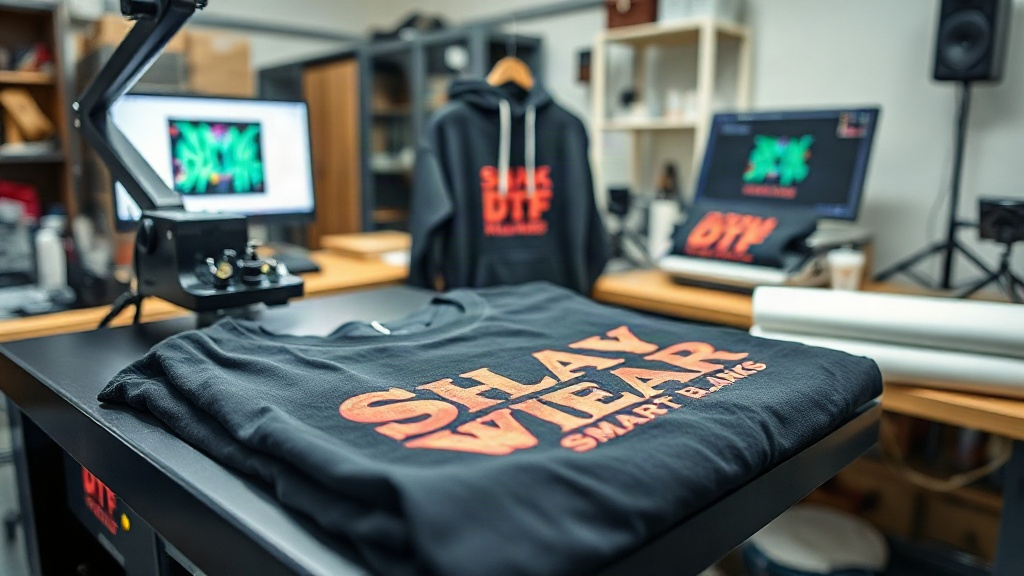
When you're creating custom apparel, the combination of DTF transfers with high-quality blanks like Shaka Wear and Smart Blanks can elevate your designs to professional levels. But not all blanks are created equal, and understanding how DTF interacts with different fabrics is key to achieving long-lasting, vibrant results. In this guide, we'll dive deep into the nuances of applying DTF transfers to Shaka Wear and Smart Blanks, sharing insights from real-world experience to help you avoid common pitfalls and get the best possible outcome.
Why Choose DTF Transfers for Custom Apparel?
DTF (Direct to Film) transfers have revolutionized the custom apparel industry. Unlike traditional methods like screen printing or vinyl, DTF offers unparalleled versatility. You can print full-color, photographic-quality images with fine details on a wide range of fabrics, including cotton, polyester, and blends. The process involves printing your design onto a special film, coating it with adhesive powder, and then heat-pressing it onto the garment. The result is a soft, stretchable, and durable print that can withstand repeated washing.
One of the biggest advantages of DTF is its ability to bond with fabrics that are notoriously difficult for other methods. For example, polyester tends to repel water-based inks used in screen printing, but DTF adheres beautifully. This makes DTF ideal for performance wear and synthetic blends. Additionally, DTF requires no weeding or cutting, saving time and reducing waste, especially for complex designs.
Understanding Shaka Wear: A Favorite Among Streetwear Brands
Shaka Wear has become a go-to choice for streetwear enthusiasts and custom printers alike. Known for their heavyweight cotton tees, Shaka Wear garments offer a premium feel and a boxy, modern fit. Their fabric is typically 100% cotton, often ring-spun for softness, and pre-shrunk to minimize shrinkage. This makes them an excellent canvas for DTF transfers.
Fabric Characteristics of Shaka Wear
- 100% cotton or cotton/poly blends
- Heavyweight (usually 5.5 oz or higher)
- Pre-shrunk and enzyme-washed for softness
- Available in a wide range of colors
The tight weave of Shaka Wear fabrics provides a smooth surface for DTF transfers, allowing for crisp edges and vibrant colors. However, the heavyweight nature means you may need to adjust your heat press settings slightly to ensure proper adhesion.
Smart Blanks: Affordable Quality for Everyday Printing
Smart Blanks are another popular option, particularly for those looking for budget-friendly alternatives without sacrificing too much quality. These blanks are often used for promotional items, team uniforms, and casual wear. Smart Blanks typically offer a softer hand and lighter weight compared to Shaka Wear, making them comfortable for everyday use.
Fabric Characteristics of Smart Blanks
- Often 100% cotton or cotton/poly blends
- Mid-weight (around 4.5 to 5.0 oz)
- Soft, smooth surface
- Economical price point
Because Smart Blanks are lighter, they can be more prone to dye migration if you're using DTF on dark colors. However, with the right techniques, you can achieve excellent results.
Preparing Your DTF Transfers for Application
Before you even think about pressing, proper preparation is crucial. Here's a step-by-step guide to getting your DTF transfers ready:
- Design and Print: Create your design in your preferred software, ensuring it's mirrored if necessary. Print it onto DTF film using a DTF printer or outsource to a professional service.
- Powder Application: While the ink is still wet, apply hot melt adhesive powder evenly over the design. Shake off excess powder.
- Curing: Cure the powder using a heat press or oven according to the manufacturer's instructions. This step is critical; under-curing leads to poor adhesion, while over-curing can cause the powder to burn.
- Storage: Store cured transfers in a cool, dry place away from direct sunlight.
If you're buying pre-made transfers, ensure they come from a reputable supplier. At DTF Shoply, we offer high-quality DTF transfers that are ready to press and designed to work flawlessly with Shaka Wear and Smart Blanks.
Heat Press Settings for Shaka Wear vs. Smart Blanks
The heat press settings can make or break your DTF application. Here are recommended starting points, but always test on a scrap piece first.
For Shaka Wear
- Temperature: 325°F (160°C)
- Pressure: Medium to high (40-60 psi)
- Time: 15-20 seconds
- Peel: Hot or cold peel (check transfer instructions)
Shaka Wear's heavyweight fabric can handle higher pressure, which ensures the adhesive penetrates the fibers. However, be cautious not to scorch the fabric, especially on lighter colors.
For Smart Blanks
- Temperature: 300-310°F (150-155°C)
- Pressure: Medium (30-40 psi)
- Time: 10-15 seconds
- Peel: Cold peel recommended
Smart Blanks are more delicate, so lower temperature and pressure are advised to prevent scorching or flattening the fabric. Cold peel helps avoid stretching the print.
Step-by-Step Application Process
Now that you have your settings, let's walk through the application process for both types of blanks.
- Pre-press the garment: This removes moisture and wrinkles. For Shaka Wear, pre-press for 5-7 seconds at 325°F. For Smart Blanks, 3-5 seconds at 300°F.
- Position the transfer: Place the DTF transfer on the garment with the design facing up. Use heat tape if needed to secure it.
- Press: Apply the heat press according to the settings above. Ensure even pressure across the entire design.
- Peel: Follow the transfer's peel instructions. Most DTF transfers are cold peel, but some are hot peel. If cold peel, wait until the transfer cools completely before peeling.
- Post-press (optional): For added durability, you can cover the design with a Teflon sheet and press for an additional 5-10 seconds.
Common Issues and Troubleshooting
Even with the best preparation, issues can arise. Here's how to troubleshoot common problems:
Print Peeling or Cracking
- Cause: Insufficient pressure, incorrect temperature, or under-cured powder.
- Solution: Increase pressure or temperature slightly. Ensure powder is fully cured. For Shaka Wear, try 350°F for 20 seconds.
Dye Migration (Ghosting)
- Cause: Dyes from the fabric sublimating into the transfer, especially on polyester blends.
- Solution: Use a low-bleed DTF film or a blocker layer. Pre-press the garment to remove excess dye. For Smart Blanks in dark colors, consider using a white underbase.
Stiff or Rubbery Feel
- Cause: Too much adhesive powder or excessive pressure.
- Solution: Reduce powder application and lower pressure. DTF transfers should feel soft and flexible.
Washing and Care Instructions
To ensure your DTF-printed apparel lasts, follow these care tips:
- Wait 24 hours before first wash.
- Turn garment inside out.
- Machine wash cold, gentle cycle.
- Do not bleach or use fabric softener.
- Tumble dry low or hang dry.
- Iron inside out, avoiding the print area.
With proper care, your DTF transfers on Shaka Wear and Smart Blanks can last for years.
Frequently Asked Questions
Can I use DTF transfers on 100% polyester Shaka Wear?
Yes, DTF works well on polyester, but you may need to lower the temperature to 300°F and use a low-bleed film to prevent dye migration. Shaka Wear's polyester blends are generally receptive to DTF.
What is the best peel method for DTF on Smart Blanks?
Cold peel is recommended for Smart Blanks because it prevents the print from stretching and ensures clean edges. Wait until the transfer is completely cool before peeling.
How do I prevent the DTF transfer from feeling too stiff on Shaka Wear?
Use a minimal amount of adhesive powder and avoid excessive pressure. Also, ensure your design isn't too thick; thinner ink layers feel softer. Post-pressing with a Teflon sheet can also help.
Do I need a special printer for DTF transfers?
You need a DTF printer that uses pigment inks and can print on PET film. Alternatively, you can order pre-made transfers from a supplier like DTF Shoply. If you're outsourcing, ensure the transfers are compatible with your fabric.
How long do DTF transfers last on Smart Blanks?
With proper application and care, DTF transfers can last 50+ washes. Smart Blanks, being lighter, may show wear sooner if not cared for, but following our care instructions will maximize longevity.
By following this guide, you'll be well-equipped to apply DTF transfers to Shaka Wear and Smart Blanks with confidence. Remember, testing and adjusting are key to perfection. For high-quality DTF transfers and supplies, visit DTF Shoply today.