
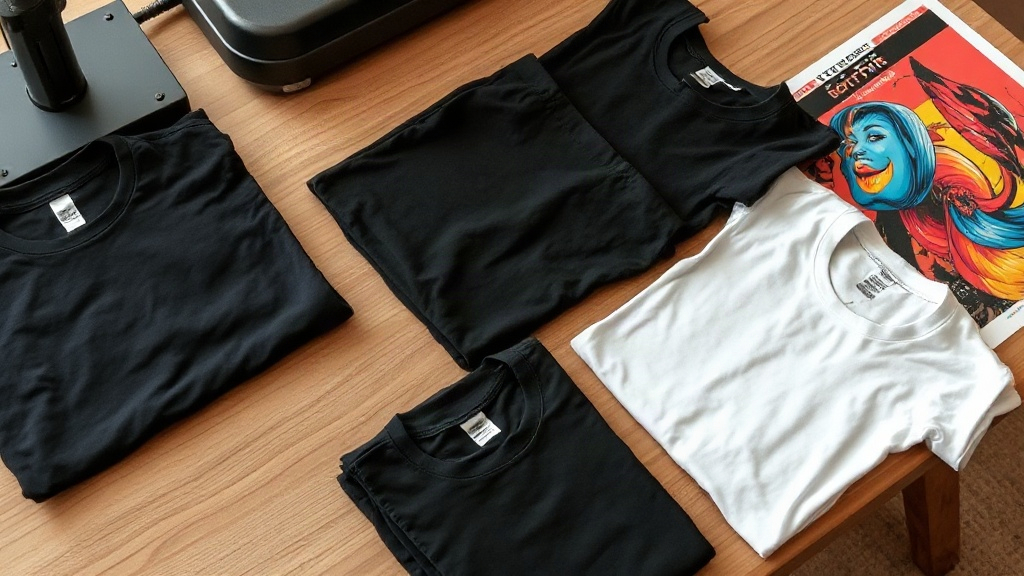
If you're in the custom apparel business, you know that the foundation of a great product starts with the blank. Whether you're printing for a client, building your own brand, or just making gear for your team, the blank you choose can make or break the final result. In recent years, smart blanks have emerged as a game-changer, offering a balance of quality, consistency, and affordability that both beginners and seasoned pros can appreciate. And when you pair these blanks with the latest in decoration technology, like dtf transfers, you open up a world of possibilities. In this guide, we'll dive deep into two popular options—Smart Blanks and Shaka Wear—and show you how to use them with dtf transfers to create apparel that looks great, feels great, and sells even better.
Why the Blank Matters More Than Ever
In the past, custom apparel was often limited to basic tees and hoodies from a handful of manufacturers. But today's customers are savvy. They care about fabric weight, fit, durability, and how a print holds up over time. They want a shirt that feels soft but not flimsy, that fits well without being boxy, and that keeps its color and shape after dozens of washes. That's where smart blanks come in. These blanks are designed with modern consumers in mind: they offer a contemporary fit, premium materials, and consistent sizing across colors and styles. Whether you're printing a single shirt for a small business or running a large order for a school, using a reliable blank ensures your customers are happy and your reputation stays intact.
What Are Smart Blanks?
The term smart blanks refers to a category of apparel blanks that prioritize quality, consistency, and versatility. They're often made from combed ring-spun cotton or cotton-poly blends, which give them a soft hand feel and excellent printability. Unlike cheap, mass-produced blanks that can vary from batch to batch, smart blanks are manufactured with tight quality control, so you can count on the same fit and feel every time you order. They're also available in a wide range of sizes, colors, and styles, from tees and tanks to hoodies and joggers. For anyone using dtf transfers, smart blanks provide an ideal canvas because their smooth, even surface allows the transfer to adhere uniformly, resulting in vibrant, long-lasting prints.
Key Features of Smart Blanks
- Premium fabrics: Typically 100% combed ring-spun cotton or cotton-poly blends for softness and durability.
- Consistent sizing: You can reorder with confidence, knowing the fit will be the same.
- Wide color selection: From classic neutrals to trendy hues, there's a color for every design.
- Excellent printability: Smooth surface ideal for dtf transfers, screen printing, and embroidery.
- Retail-ready: Tear-away labels and modern fits make them suitable for direct-to-consumer brands.
Shaka Wear: A Blank Worth Knowing
When it comes to heavy-weight tees and streetwear-inspired blanks, Shaka Wear has carved out a loyal following. Known for their substantial fabric weight and relaxed, urban fit, Shaka Wear blanks are a favorite among skaters, streetwear brands, and anyone who wants a shirt that feels broken-in from day one. Their tees often weigh in at 6.0 oz or more, giving them a premium, durable feel that customers notice immediately. But how do they work with dtf transfers? Surprisingly well, provided you follow the right techniques. The key is to account for the heavier fabric and slightly rougher texture by adjusting your transfer application settings. We'll cover that in detail later.
Popular Shaka Wear Styles for DTF
- Shaka Wear Max Heavyweight Tee: A 7.5 oz beast that's perfect for bold, large-scale dtf transfers.
- Shaka Wear Crewneck Tees: Classic 6.0 oz options that offer a comfortable, everyday fit.
- Shaka Wear Hoodies: Heavy fleece hoodies that take transfers well on the front, back, and sleeves.
DTF Transfers 101: What You Need to Know
DTF transfers (direct-to-film) have revolutionized the custom apparel industry. Unlike traditional screen printing, DTF doesn't require color separation or minimum order quantities. You can print full-color, photographic-quality designs with gradients, fine details, and even white ink in a single pass. The process involves printing your design onto a special film, coating it with adhesive powder, and then heat-pressing it onto the garment. The result is a vibrant, stretchable, and durable print that can be applied to almost any fabric, including cotton, polyester, and blends. This makes dtf transfers an excellent match for both smart blanks and Shaka Wear garments.
Choosing the Right Blank for Your DTF Project
Not all blanks are created equal, and the one you choose should depend on your target market and design. Here are a few factors to consider:
- Fabric content: 100% cotton offers a classic feel and takes DTF well, while poly blends can provide a softer, more athletic drape. Smart blanks often come in both options.
- Fabric weight: Lighter weights (4.0–5.0 oz) are great for summer and retail, while heavier weights (6.0 oz and up) like those from Shaka Wear appeal to streetwear and workwear markets.
- Fit: Consider whether you want a slim, regular, or oversized fit. Shaka Wear tends to run larger and boxier, which is part of its appeal.
- Color: Dark colors require a white underbase in DTF printing, but with DTF transfers, the white ink is already part of the transfer, so you don't need to worry about it. However, on very dark or bright colors, a slightly thicker transfer may be needed for opacity.
How to Apply DTF Transfers to Smart Blanks and Shaka Wear
Applying dtf transfers is straightforward, but the exact settings can vary depending on the blank. Here's a step-by-step guide that works well for both smart blanks and Shaka Wear garments:
- Pre-press the garment: This removes moisture and wrinkles, ensuring a smooth surface. For smart blanks, press for 5-7 seconds at 300°F. For heavier Shaka Wear tees, you might need 10-15 seconds to flatten the fabric completely.
- Position the transfer: Place your dtf transfer face down on the garment. Use heat tape if necessary to keep it in place.
- Press: Set your heat press to 300-325°F with medium to heavy pressure. For smart blanks, press for 10-15 seconds. For Shaka Wear, increase to 15-20 seconds due to the thicker fabric.
- Peel: DTF transfers are typically cold peel or warm peel. Check your transfer's instructions. Cold peel means you wait until the transfer is completely cool before removing the film. This is often recommended for best results.
- Post-press: Cover the design with parchment paper or a Teflon sheet and press for an additional 5-10 seconds to smooth out any texture and ensure maximum adhesion.
Pro tip: Always test on a scrap piece of fabric first, especially if you're using a new blank or a new batch of transfers. Small adjustments in temperature, pressure, or time can make a big difference in the final outcome.
Why Smart Blanks and Shaka Wear Are a Great Match for DTF
Both smart blanks and Shaka Wear offer qualities that complement dtf transfers beautifully. Smart blanks provide a smooth, consistent surface that allows the transfer to adhere evenly, resulting in a professional-looking print with vibrant colors. Their modern fits and soft fabrics make them ideal for retail brands and promotional products alike. Shaka Wear, on the other hand, brings a rugged, streetwear aesthetic that's perfect for bold graphics and larger prints. The heavier fabric can handle the heat and pressure of DTF application without distortion, and the relaxed fit means your design has plenty of room to shine. Together, they cover a wide range of customer preferences, from everyday basics to statement pieces.
Common Mistakes to Avoid with DTF on These Blanks
Even with the best materials, mistakes can happen. Here are a few pitfalls to watch out for:
- Insufficient pressure: If you don't apply enough pressure, the transfer won't fully adhere, leading to peeling or cracking. This is especially important with textured fabrics like Shaka Wear tees.
- Wrong temperature: Too hot and you can scorch the fabric or melt the transfer; too cold and the adhesive won't activate. Always follow the transfer manufacturer's recommendations and adjust for your specific blank.
- Not pre-pressing: Skipping this step can trap moisture, causing the transfer to bubble or fail to stick.
- Peeling too soon: If you're using a cold-peel transfer, be patient. Peeling while hot can stretch the design and leave adhesive residue.
- Ignoring fabric content: While DTF works on many fabrics, some blends with high spandex or nylon content may require special low-temperature transfers. Always check compatibility.
Where to Source Smart Blanks and Shaka Wear
Finding reliable suppliers for smart blanks and Shaka Wear is crucial for keeping your production running smoothly. Many online wholesalers and distributors carry these brands, but it's important to choose a partner that offers consistent stock, fast shipping, and competitive pricing. Look for suppliers that specialize in blank apparel for decoration, as they often have the best selection and can provide guidance on which blanks work best with dtf transfers. If you're just starting out, consider ordering sample packs to test different styles and find the perfect match for your brand.
Frequently Asked Questions
Can I use DTF transfers on Shaka Wear heavyweight tees?
Yes, absolutely. Shaka Wear heavyweight tees are excellent for DTF transfers because their dense fabric provides a sturdy base. However, due to the heavier weight, you'll need to increase your press time and pressure slightly compared to lighter blanks. Pre-pressing for 10-15 seconds is recommended to flatten the fabric and remove moisture. Then apply the transfer at 325°F for 15-20 seconds with heavy pressure. Cold peel for best results.
What are smart blanks and why should I choose them over other blanks?
Smart blanks are a category of apparel blanks known for their premium quality, consistent sizing, and versatility. They are typically made from soft, ring-spun cotton or blends and are designed to be retail-ready. Choosing smart blanks over cheaper alternatives means your customers get a better-fitting, longer-lasting garment, and you get fewer returns and higher satisfaction. They also tend to have a smoother surface, which makes them ideal for dtf transfers and other decoration methods.
Do DTF transfers work on 100% cotton and poly blends?
Yes, dtf transfers are incredibly versatile and can be applied to a wide range of fabrics, including 100% cotton, cotton-poly blends, and even 100% polyester. The key is to adjust your heat press settings based on the fabric. For cotton, standard settings work well. For polyester, you may need to lower the temperature slightly to avoid dye migration (though DTF transfers with a good white underbase can help prevent this). Always test on a sample first.
How do I prevent DTF transfers from cracking on Shaka Wear garments?
Cracking usually occurs due to insufficient pressure, incorrect temperature, or stretching the garment after printing. To prevent cracking on Shaka Wear garments, ensure you use heavy pressure and the correct temperature (around 325°F). Also, make sure to post-press the transfer for 5-10 seconds after peeling. When washing, turn the garment inside out and avoid fabric softeners, which can degrade the adhesive over time.
Can I mix smart blanks and Shaka Wear in the same order?
Yes, you can certainly offer both smart blanks and Shaka Wear in your product lineup. They cater to slightly different markets: smart blanks for those who prefer a modern, retail fit, and Shaka Wear for those who love a heavier, streetwear vibe. Just be sure to adjust your DTF application settings accordingly, as the two brands have different fabric weights and textures. With a bit of testing, you'll be able to produce consistent, high-quality results across both.