
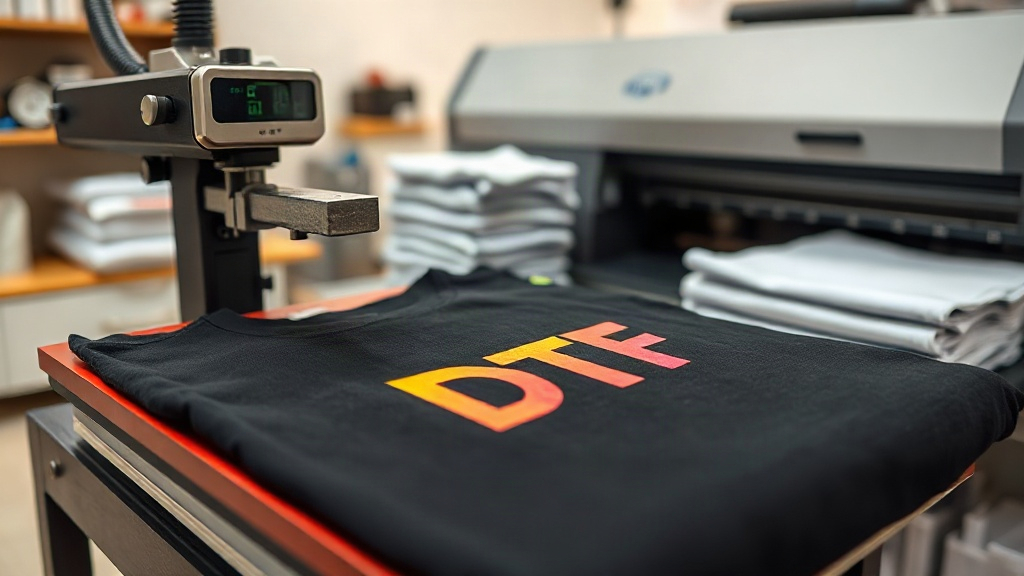
If you're in the custom apparel business, you've likely heard about DTF transfers. This innovative printing method is quickly becoming a favorite among designers and shop owners for its versatility and durability. Unlike traditional techniques, DTF transfers allow you to print full-color designs on a wide range of fabrics without the hassle of weeding or color limitations. In this guide, we'll explore everything you need to know about DTF transfers, from the process to choosing the best blanks like Shaka Wear and Smart Blanks to achieve professional-grade results.
What Are DTF Transfers?
DTF stands for Direct to Film. It's a printing method where your design is printed onto a special film, coated with a adhesive powder, and then heat-pressed onto the fabric. This process creates a vibrant, durable transfer that bonds seamlessly with the material. Unlike DTG (Direct to Garment) printing, DTF transfers can be applied to almost any fabric, including cotton, polyester, and blends. This makes them incredibly versatile for custom apparel.
How DTF Transfers Work
The DTF process involves several steps:
- Design Preparation: Your artwork is prepared digitally, ensuring it's mirrored and sized correctly.
- Printing: A specialized printer lays down white ink as a base, followed by CMYK colors onto a PET film.
- Powdering: A hot-melt adhesive powder is applied to the wet ink.
- Curing: The film is heated to melt the powder, creating a dry, tacky surface.
- Heat Pressing: The transfer is placed on the garment and pressed with heat and pressure to bond permanently.
This multi-step process results in a soft, stretchable transfer that withstands repeated washing.
Why Choose DTF Transfers for Your Custom Apparel?
DTF transfers offer numerous advantages over other printing methods. Here are key benefits:
- Unmatched Versatility: Works on cotton, polyester, blends, and even treated leather.
- No Color Limits: Print full-color, photographic designs without extra cost.
- Durability: Resists cracking, peeling, and fading.
- Cost-Effective for Short Runs: No setup fees or minimums, ideal for small businesses.
- Soft Hand Feel: The transfer is thin and flexible, comfortable to wear.
These benefits make DTF transfers a top choice for custom t-shirts, hoodies, tote bags, and more.
Choosing the Right Blanks for DTF Transfers
The quality of your blank garment significantly impacts the final result. Not all blanks are created equal, and some work better with DTF transfers than others. Let's look at two popular options: Shaka Wear and Smart Blanks.
Shaka Wear: Premium Quality Blanks
Shaka Wear is renowned for its high-quality, heavyweight cotton t-shirts and hoodies. Their garments are made from 100% cotton or cotton-poly blends, providing a smooth surface that DTF transfers adhere to exceptionally well. The tight knit of Shaka Wear fabrics prevents the transfer from sinking in, ensuring vibrant colors and sharp details. Additionally, their blanks are pre-shrunk, reducing the risk of shrinkage after washing, which can distort the transfer.
For best results with Shaka Wear, choose their 100% cotton styles for a classic look, or their poly-blend options for athletic wear. The consistent quality of Shaka Wear makes them a reliable choice for professional apparel decorators.
Smart Blanks: Affordable and Reliable
Smart Blanks offers a budget-friendly alternative without compromising on quality. Their garments are soft, comfortable, and take DTF transfers beautifully. Smart Blanks provides a variety of styles, from tees to hoodies, in a wide range of colors. Their fabrics are typically 100% cotton or cotton-poly blends, which are ideal for DTF printing. The smooth texture of Smart Blanks ensures excellent adhesion and long-lasting results.
If you're just starting out or need to keep costs down, Smart Blanks is an excellent option. Their blanks are popular among small businesses and DIY enthusiasts for their affordability and consistent performance.
How to Apply DTF Transfers: Step-by-Step
Applying DTF transfers is straightforward, but following the correct steps ensures a professional finish. Here's a quick guide:
- Preheat Your Heat Press: Set the temperature to 325°F (160°C) for cotton, or 300°F (150°C) for polyester.
- Pre-Press the Garment: This removes moisture and wrinkles, creating a smooth surface.
- Position the Transfer: Place the DTF transfer on the garment with the design facing up.
- Press: Apply medium to firm pressure for 10-15 seconds.
- Peel: Wait for the transfer to cool completely (cold peel) or peel while hot (hot peel) depending on the film instructions.
- Post-Press: For extra durability, press again for 5-10 seconds with a protective sheet.
Always test on a scrap piece first to dial in your press settings.
Common Mistakes to Avoid with DTF Transfers
Even with a simple process, mistakes can happen. Here are pitfalls to watch out for:
- Insufficient Pressure: Leads to poor adhesion and early peeling.
- Wrong Temperature: Too hot can scorch the fabric; too cold results in weak bond.
- Not Pre-Pressing: Moisture can cause the transfer to bubble or fail.
- Improper Peeling: Peeling too soon or too late can ruin the design.
- Using the Wrong Blanks: Fabrics with heavy textures or coatings may not work well.
By avoiding these mistakes, you'll achieve consistent, high-quality results.
DTF Transfers vs. Other Printing Methods
How does DTF compare to DTG, screen printing, and vinyl? Let's break it down:
- DTG: Best for 100% cotton, but colors can be muted and requires pretreatment. DTF works on more fabrics and has brighter colors.
- Screen Printing: Cost-effective for large orders but has setup fees and color limitations. DTF is better for small batches and complex designs.
- Vinyl: Limited to single-color designs and can feel heavy. DTF offers full-color, soft transfers.
DTF transfers combine the best of all worlds: versatility, vibrant colors, and durability.
Frequently Asked Questions About DTF Transfers
How long do DTF transfers last?
With proper application and care, DTF transfers can last 50+ washes without fading or cracking. Always wash inside out in cold water and avoid bleach.
Can I use DTF transfers on dark garments?
Absolutely! DTF transfers include a white ink base, so they show up vividly on dark colors. This is a major advantage over DTG.
Do I need a special printer for DTF transfers?
Yes, DTF requires a dedicated DTF printer and supplies. However, you can also buy pre-printed DTF transfers from suppliers and apply them with a heat press.
What fabrics work best with DTF transfers?
Cotton, polyester, cotton-poly blends, and even leather work well. Avoid fabrics with a heavy texture or waterproof coating.
Is DTF printing cost-effective for small businesses?
Yes, DTF is ideal for short runs because there are no minimums or setup fees. It's a cost-effective way to offer custom apparel without inventory risk.
Final Thoughts
DTF transfers are a game-changer for custom apparel. They offer unmatched versatility, durability, and vibrant colors, making them suitable for a wide range of fabrics and designs. When paired with high-quality blanks like Shaka Wear and Smart Blanks, you can create professional-grade apparel that impresses customers and stands the test of time. Whether you're a seasoned decorator or just starting out, incorporating DTF transfers into your workflow will elevate your offerings and streamline production.
Ready to get started? Explore our selection of DTF transfers and premium blanks at DTF Shoply today!