
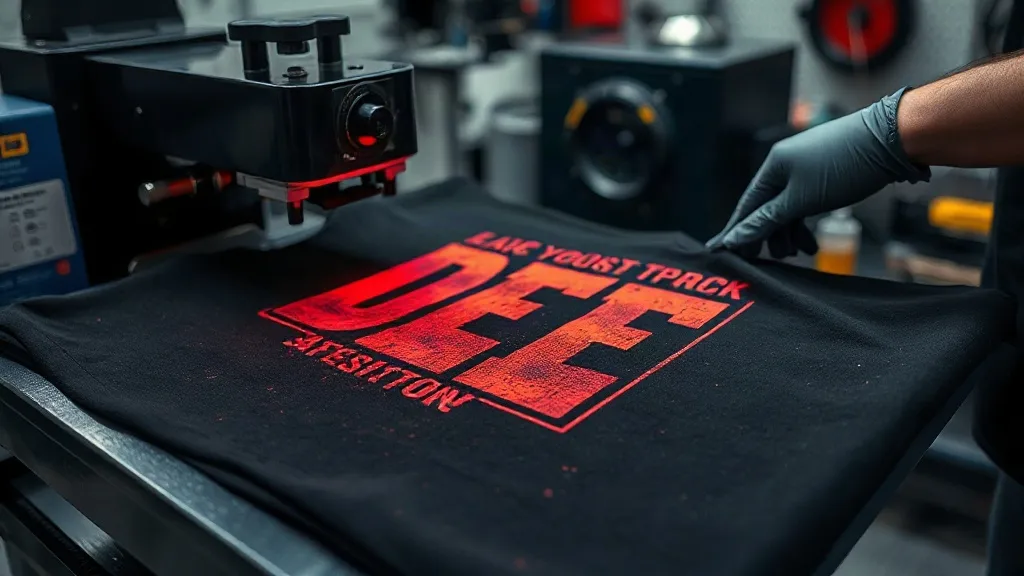
You've pressed the shirt, waited for it to cool, and then it happens: a corner lifts, a fine crack spiderwebs across the design, or the whole print peels off like a sticker. These failures waste time, material, and customer trust. After years of running a small DTF shop, I've learned that most adhesion and cracking issues trace back to a handful of controllable variables. This guide walks through the real-world fixes, not just theory, so you can stop guessing and start producing reliable dtf transfers.
Why Adhesion Fails: The Usual Suspects
When a dtf transfers won't stick, the culprit is often one of three things: insufficient pressure, incorrect temperature, or a contaminated fabric surface. Let's break each down.
Pressure: More Isn't Always Better
Heat press pressure needs to be even and sufficient to push the adhesive into the fabric fibers. Too little pressure and the transfer sits on top, peeling after a few washes. Too much pressure and the adhesive can spread too thin or the print can distort. Aim for medium pressure (around 40-60 PSI on most presses) and check that your platen is level. A quick test: press a transfer, let it cool, and try to peel a corner. If it comes off easily, increase pressure slightly and try again.
Temperature: The Goldilocks Zone
Each DTF film and powder has a recommended temperature range, typically 300-325°F (150-160°C). If you're below that, the adhesive won't fully activate; above it, you risk scorching the fabric or melting the powder. Use an infrared thermometer to verify your press's actual platen temperature, because dials can be off by 10-15 degrees. I keep a log of settings for different fabrics and adjust based on results.
Fabric Contamination: The Invisible Enemy
Fabric softeners, sizing agents, and even residual detergent can create a barrier that prevents adhesion. Always pre-press the garment for 5-10 seconds to remove moisture and flatten the surface. For heavily treated fabrics, a quick wipe with a lint-free cloth and a diluted vinegar solution (then dry) can help, but avoid over-wetting. Also, lint and dust are common culprits, so keep your work area clean and use a lint roller before pressing.
Cracking: Why Prints Break and How to Prevent It
Cracking usually appears after washing and often relates to the stretch of the fabric versus the flexibility of the transfer. Here's how to make your prints more resilient.
Match the Powder to the Fabric
Not all DTF powders are created equal. Standard powders work well on cotton and blends, but for high-stretch fabrics like spandex or polyester blends, use a stretchable powder. The powder's particle size and melt flow affect how well the print moves with the fabric. If you're using a generic powder, test on a swatch before committing to a large order.
Control the Powder Application
Too much powder leads to a thick, brittle layer that cracks; too little leaves gaps and weak adhesion. After shaking off excess powder, you should see a uniform, matte coating. A powder shaker with a fine mesh helps distribute evenly. Cure the powder properly: typically 2-3 minutes at 320°F, but follow your powder's spec sheet. Under-cured powder remains grainy and won't bond; over-cured powder becomes brittle.
Press Parameters for Stretch Fabrics
When pressing on stretchy fabrics, use slightly lower temperature and pressure to avoid over-stretching the print during application. A common mistake is pressing too hard, which flattens the fabric and causes the print to crack when the garment relaxes. Also, consider a second press after cooling (cold peel) to improve adhesion without distorting the design.
Step-by-Step Troubleshooting Flow
When a print fails, follow this sequence to isolate the cause:
- Check the fabric: Is it clean, dry, and free of softeners? Pre-press and try again on a scrap piece.
- Verify press settings: Use a thermometer and pressure gauge. Test with a small transfer.
- Inspect the transfer: Look for uneven powder, incomplete curing, or film defects.
- Adjust one variable at a time: Change temperature, then pressure, then powder type, noting results.
This methodical approach saves time and materials. I keep a notebook with settings for each fabric type and adjust as needed.
Preventing Future Failures
Consistency comes from standardizing your process. Create a checklist for each job: fabric type, pre-press time, press temperature, pressure, peel method (hot vs. cold), and post-press. Train anyone who operates the press to follow it. Also, store your dtf film and powder in a cool, dry place; humidity can affect powder flow and film shelf life.
If you're sourcing transfers, ask your supplier about their quality control and recommended settings. For those searching for dtf transfers near me, local suppliers can often provide faster turnaround and personalized support, but always test a sample before committing to bulk orders.
Frequently Asked Questions
Why does my DTF transfer peel off after washing?
Peeling usually indicates insufficient pressure or temperature during pressing, or fabric contamination. Ensure you pre-press the garment, use medium pressure, and verify the press temperature with an infrared thermometer. Also, check that the transfer was applied to a clean, dry surface.
How can I stop DTF prints from cracking?
Cracking often stems from too much powder, under-curing, or pressing on fabrics that stretch beyond the print's flexibility. Use a stretchable powder for high-stretch fabrics, apply a thin, even layer of powder, and cure according to the powder's specifications. Adjust press pressure to avoid over-stretching the fabric.
What's the best way to store DTF transfers?
Store unused transfers in a cool, dry place away from direct sunlight. Keep them flat or rolled, not folded, to prevent creases. For powder, seal the container tightly to avoid moisture absorption. Humidity can cause clumping and affect transfer quality.
Can I use DTF transfers on nylon or waterproof fabrics?
DTF transfers adhere best to fabrics with some texture and absorbency. Nylon and waterproof fabrics often require special low-temperature transfers or additional adhesion promoters. Always test on a swatch and consider using a cover sheet during pressing to protect the fabric.
How do I choose the right DTF powder for my fabric?
Match the powder to the fabric's stretch and fiber content. Standard powder works for cotton and low-stretch blends; stretchable powder is better for spandex, polyester, and high-stretch knits. Consult your supplier for recommendations and always perform a wash test.