
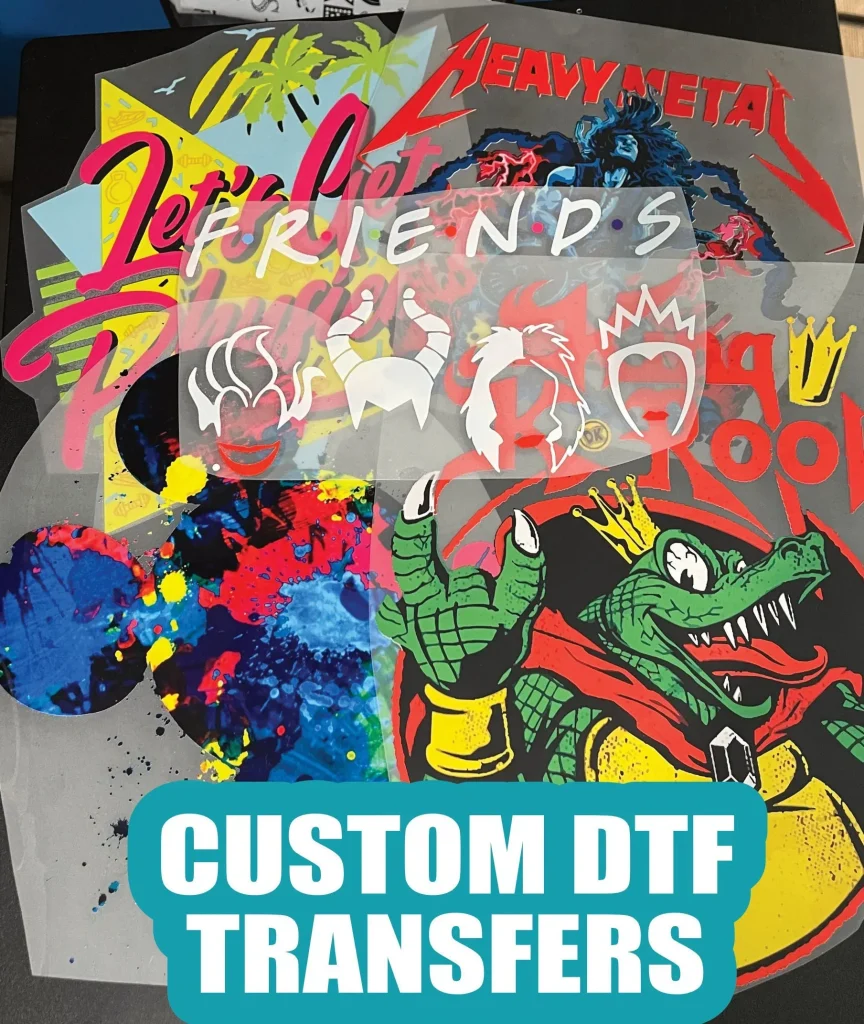
DTF Transfers, or Direct-to-Film transfers, have revolutionized the custom apparel printing industry with their unique combination of precision and practicality. This innovative DTF printing process allows creators and small businesses to produce stunning garment designs with vibrant colors and remarkable durability, all while maintaining cost-effectiveness. Whether you’re looking to print intricate graphics on T-shirts or personalize accessories, DTF transfer techniques offer flexibility that traditional methods simply can’t match. As the demand for specialized clothing continues to grow, understanding DTF transfers becomes essential for anyone involved in garment decoration. With this guide, we will unravel the intricacies of DTF printing, ensuring you have all the information needed to create eye-catching designs that stand out in the market.
Direct-to-Film technology is rapidly becoming a favored choice among textile printers seeking high-quality results. This method of custom fabric decoration utilizes advanced film printing capabilities, enabling users to achieve vibrant images with excellent color fidelity. As a competitive option for both small-scale and extensive production, these effective film transfers cater to a diverse range of fabric types, including cotton blends and synthetics. With the rise of demand for personalized apparel solutions, this printing method offers a seamless experience for both hobbyists and professional printers alike. In this article, we will delve into the specifics of this printing approach, examining its processes, materials, and the best techniques for achieving stunning results.
Understanding the DTF Printing Process
The Direct-to-Film (DTF) printing process has revolutionized the way designs are transferred onto fabrics. This method involves several key steps: first, a design is printed onto specialized polyethylene terephthalate (PET) film using advanced inkjet technology. Once the ink is applied, an adhesive powder is utilized to ensure that the design will bond strongly to the target fabric. Finally, the film is cured with a heat press, which activates the adhesive and secures the design in place for long-lasting results. This process not only enhances the vibrancy of the print but also allows for intricate details that traditional printing methods may struggle to achieve.
In comparison to other printing techniques, the DTF printing process showcases notable advantages, particularly in terms of versatility. It accommodates a wide array of fabric types, from cotton to polyester blends, making it suitable for various apparel and merchandise. The ability to print multiple designs on different substrates efficiently makes DTF an appealing choice for both large-scale manufacturers and small-batch creators.
Material Innovations in DTF Transfers
Recent advancements in materials used for DTF transfers have significantly elevated the quality and performance of prints. The introduction of new ink formulations allows for a broader color palette and improved adhesion properties, which in turn enhances the durability and vibrancy of the final product. Additionally, pre-treated films and specialized adhesive powders have improved the transfer quality, making the application process smoother and more reliable.
With the emphasis on quality, many businesses are investing in high-grade supplies that ensure optimal results. For instance, using premium-grade DTF films that reduce the risk of peeling or fading can help maintain the integrity of the designs. These material innovations not only promise superior output but also cater to the evolving demands of consumers looking for unique, high-quality custom apparel.
Cost-Effective Benefits of DTF Printing
One of the standout features of DTF transfers is their cost-effectiveness, particularly for businesses focused on small batch orders or print-on-demand solutions. Unlike traditional methods that may require extensive inventory and setup costs, DTF printing enables creators to minimize their overhead while maximizing their output. This flexibility is crucial in today’s market, where entrepreneurs need to adapt quickly to consumer demands without the financial burden of excess stock.
Moreover, the efficiency of the DTF process allows artists and small business owners to experiment with new designs without the fear of wasted resources. With the ability to create vivid prints on various fabrics at a lower cost, DTF transfers empower small-scale operations to compete with larger firms, democratizing the custom printing landscape.
The Growing Popularity of DTF Transfers
The rise of DTF transfers has coincided with an increasing demand for personalized and unique apparel within the e-commerce sector. As more consumers seek bespoke, custom-designed clothing, the DTF printing method provides an ideal solution that aligns with these preferences. This trend has opened doors for artists, hobbyists, and small businesses looking to make their mark in the competitive world of apparel.
Furthermore, social media platforms and online marketplaces have enabled crafters to showcase their DTF creations, amplifying the method’s popularity. This visibility drives interest and encourages newcomers to explore DTF printing, further bolstering its adoption across a broad spectrum of industries, from fashion to promotional products.
Best Practices for Successful DTF Printing
Achieving high-quality results in DTF printing requires adherence to several best practices that ensure the success of the final products. One critical aspect is maintaining precise temperature and pressure settings during the heat transfer process; too little pressure or incorrect heat can compromise the adhesion of the designs, resulting in inferior prints. It’s crucial for both novice and experienced printers to conduct test runs to determine the optimal settings for different fabric types.
In addition to equipment settings, understanding the materials and their respective care instructions is vital for producing durable prints. Creators should familiarize themselves with fabric properties and tailor their techniques accordingly to maximize longevity and performance. By focusing on these best practices, DTF printing enthusiasts can consistently achieve professional results that resonate with their audience.
User Experiences and Community Insights
Many users who have embraced DTF transfers report overwhelmingly positive experiences, particularly highlighting the method’s ease of use and great results. Crafters and small businesses alike appreciate how DTF printing allows them to create vibrant, detailed designs without the steep learning curve often associated with other printing methods. This accessibility has fostered a strong community around DTF, with countless online forums and groups dedicated to sharing tips, tricks, and user-generated content.
Furthermore, as individuals share their unique projects and the success they’ve found, the DTF printing community continues to expand. Users often exchange ideas on the best types of fabrics to use, share results from innovative projects, and offer guidance on overcoming common challenges, resulting in a collaborative environment that celebrates creativity and innovation.
Frequently Asked Questions
What are DTF transfers and how do they work?
DTF transfers, or Direct-to-Film transfers, involve a printing process where a design is printed on a specialized film. An adhesive powder is then applied, followed by heat transfer to bond the design to fabric. This method produces vibrant prints with excellent durability, suitable for various materials like cotton and polyester.
What are the advantages of using DTF printing for custom apparel?
DTF printing offers numerous advantages for custom apparel, including high-quality prints, versatility in fabric choice, and cost-effectiveness. The ability to print on demand eliminates excess inventory costs, making it ideal for small businesses and DIY enthusiasts looking to create unique designs.
How does the DTF printing process compare to traditional screen printing?
Unlike traditional screen printing that requires extensive setup and is less flexible for custom designs, DTF printing allows for quick adjustments and is suited for both short and long runs. It achieves finer details and vibrant color reproductions, appealing to a broader range of printing needs.
What materials are needed for DTF printing?
To start with DTF printing, you’ll need a compatible inkjet printer, specialized PET film, adhesive powder, and a heat press. Depending on your project scale, starter kits are available for hobbyists, while larger operations may require industrial equipment to enhance production efficiency.
Are DTF transfers a cost-effective option for small batch orders?
Yes, DTF transfers are highly cost-effective for small batch orders. They eliminate the need for inventory and allow businesses to print on demand, reducing overhead costs and waste. This feature makes DTF printing an appealing choice for entrepreneurs and small-scale production.
What best practices should be followed for successful DTF printing?
Successful DTF printing requires attention to detail, including maintaining correct temperature settings during the heat transfer process and adjusting treatments based on fabric type. Testing and refining settings is crucial to achieve high-quality prints and optimal results.
| Aspect | Details |
|---|---|
| Overview | DTF transfers involve printing on specialized film, applying adhesive powder, and using heat transfer to adhere designs, offering vibrant colors and durability. |
| Process Steps | 1. Printing on PET film using inkjet technology. 2. Applying adhesive powder to wet ink. 3. Curing with heat press for strong bonding. |
| Material Innovations | Advancements in inks for wider color gamut and improved adhesion; pre-treated films enhance quality. |
| Equipment | Starter kits for hobbyists and industrial-grade printers for higher production needs are available. |
| Cost-Effectiveness | Competitive for small batch orders, allowing print on demand and reducing overhead and waste. |
| Market Growth | Increasing demand for custom apparel and ease of market entry fosters broader adoption. |
| Best Practices | Precision in temperature settings and fabric-specific treatments lead to quality outputs in DTF printing. |
| User Feedback | Users praise DTF for versatility and quality, often preferring it over traditional screen printing methods. |
Summary
DTF transfers are revolutionizing the garment decoration industry with their high-quality prints and ease of application. This innovative printing method allows for vibrant and durable designs on various fabrics, making it ideal for both large-scale production and custom projects. As more individuals and businesses explore DTF printing, they unlock numerous creative possibilities in apparel design, benefiting from its cost-effectiveness and growing market presence. This modality not only simplifies the printing process but also fosters a creative community, making DTF transfers an invaluable asset in today’s textile industry.