
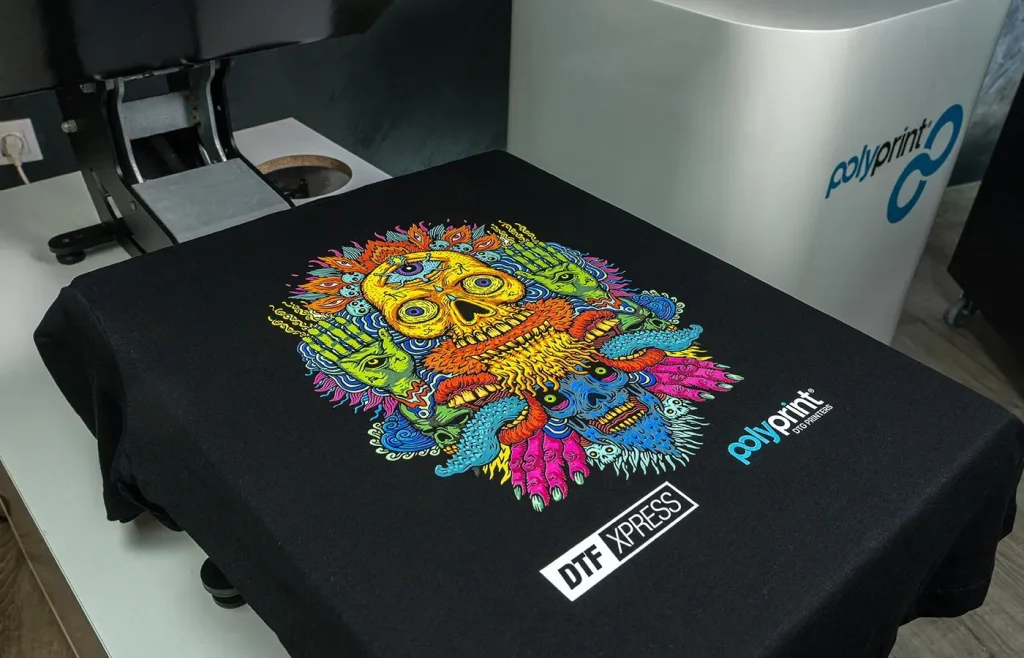
In the dynamic realm of textile printing solutions, DTF printing, or Direct-to-Film printing, has emerged as a revolutionary technology that is transforming the customization landscape. This innovative approach enables businesses to produce vibrant, high-quality prints on an extensive variety of fabrics, ranging from cotton and polyester to blends. One of the key DTF printing benefits lies in its impressive versatility, allowing for intricate designs that cater to contemporary consumer preferences. As sustainable printing practices gain momentum, DTF printing utilizes eco-friendly water-based inks and recyclable materials, appealing to today’s environmentally conscious shoppers. This guide will delve into the various aspects of DTF printing, showcasing its potential to reshape the future of custom designs within the industry.
Exploring the world of Direct-to-Film printing reveals an exciting landscape for those interested in personalized fabric applications. Often referred to as an innovative printing technology, this method stands out by offering unparalleled adaptability and ease of use compared to traditional screen printing methods. By embracing this cutting-edge textile decoration process, businesses can unlock new avenues for creativity and consumer engagement. As brands seek to enhance their product offerings with unique custom designs and cater to the growing demand for on-demand production, understanding the nuances of this method will be essential. With an eye on both quality and sustainability, alternative printing solutions like DTF are set to lead the industry into a more personalized future.
The Innovative World of DTF Printing Technology
DTF printing, short for Direct-to-Film printing, revolutionizes the custom design landscape by allowing intricate designs and vibrant colors to seamlessly transfer onto various materials. This method stands apart from traditional techniques like screen printing and Direct-to-Garment (DTG) printing due to its ability to cater to a plethora of fabrics, ensuring versatility for designers and businesses alike. With advances in printing technology, DTF printers are now capable of producing high-quality prints that boast exceptional details and durability, making them an attractive option for both small and large scale operations.
The innovation in the DTF process doesn’t stop at its printing capabilities. Continuous improvements in ink formulations mean that the prints generated through DTF technology are not only vivid but also highly resistant to wear, enabling them to retain their brilliance even after numerous washes. Moreover, these advancements promote a sustainable approach to printing, aligning with consumers’ growing preference for eco-friendly products. This blend of technology and sustainability positions DTF printing as a leading choice for businesses looking to innovate their product offerings.
Advantages of DTF Printing for Custom Designs
One of the standout advantages of DTF printing is its cost-effectiveness for small businesses venturing into the custom printing arena. Unlike conventional methods that often require significant upfront investment in equipment and materials, DTF allows for shorter production runs without excessive waste. This enables entrepreneurs to produce custom designs with greater flexibility, catering to niche markets with unique offerings that require less financial risk.
Furthermore, DTF printing enables designers to unleash their creativity without the limitations often imposed by traditional printing methods. The ability to print multi-colored, intricate designs on an extensive range of textiles opens new avenues for product development in clothing, accessories, and promotional items. As a result, businesses can expand their collections and offer personalized products that resonate with consumers, further enhancing their brand appeal.
Additionally, the adaptability of DTF printing makes it a competitive choice among printing technologies. Its compatibility with an array of fabrics—from cotton to polyester—enables businesses to diversify their offerings, ensuring they can meet varying consumer demands while staying ahead in a competitive market.
Sustainability in DTF Printing
In an age where sustainability is pivotal, DTF printing presents an appealing alternative to traditional printing methods. Utilizing water-based inks and recyclable films, this modern printing technology significantly reduces the environmental footprint associated with textile production. As concerns over climate change intensify, businesses adopting DTF practices can effectively align their operations with eco-conscious values, appealing to a growing demographic of mindful consumers.
Moreover, sustainable printing solutions offered by DTF technology not only attract eco-aware customers but also enhance brand image. Companies that prioritize environmentally friendly practices often see increased customer loyalty and brand recognition. By weaving sustainability into their business model, brands using DTF printing can differentiate themselves in a saturated market, showcasing their commitment to responsible production while still delivering high-quality custom designs.
Market Trends and Growth of DTF Printing
The market for DTF printing is poised for explosive growth, driven by the ever-increasing consumer demand for personalized and unique products. As e-commerce continues to dominate retail, the need for on-demand printing solutions becomes more essential. Reports indicate that the DTF printing market could reach an impressive $1.5 billion by 2025, underscoring the lucrative potential for businesses willing to embrace this innovative technology.
Trends suggest that the prevalence of direct-to-consumer retail is pushing brands to incorporate customizable solutions into their offerings. DTF printing uniquely meets this demand, allowing for rapid production cycles and immediate delivery times, transforming how businesses approach inventory. Thus, staying informed about these market dynamics will be crucial for companies looking to leverage DTF technology for competitive advantage in the approaching years.
Educational Resources for DTF Printing Mastery
With the rise of DTF printing comes the necessity for proper training and education. Business owners and aspiring printers can take advantage of various resources available to hone their skills and become proficient in this advanced printing technology. Numerous manufacturers and industry experts now offer webinars, workshops, and online courses aimed at providing insights into DTF printing processes, best practices, and troubleshooting techniques.
These educational opportunities not only empower individuals to operate DTF printers effectively but also encourage best practices in design and production. As more businesses seek to incorporate DTF printing into their workflows, gaining access to reliable training will be a vital component for success and growth in this expanding market.
Future Prospects of Custom Designs with DTF Technology
The trajectory of custom designs is set to evolve dramatically with the integration of DTF printing technology. As consumer preferences continue to shift toward personalized products, DTF printing provides a tangible solution to meet these evolving demands. Its flexibility and efficiency position DTF as a go-to method for businesses looking to innovate their design offerings and stay competitive.
Moreover, as advancements in DTF technology continue, we can expect further enhancements in print quality and production speed. This evolution opens the door to even more creative possibilities, inspiring designers to push the boundaries of their work and explore new styles and customization options. Embracing DTF printing could indeed mark the cornerstone for the future success of businesses in the custom design sector.
Frequently Asked Questions
What are the benefits of DTF printing for custom designs?
DTF printing offers numerous benefits for custom designs, including high-quality prints on a variety of fabrics, cost-effectiveness for small runs, and superior design flexibility with vibrant colors. This innovative printing technology enables businesses to create unique textile printing solutions while minimizing waste, making it perfect for personalized apparel.
How does DTF printing compare to traditional printing methods?
DTF printing stands out from traditional printing methods like screen printing and DTG due to its material versatility, allowing customization on various surfaces such as cotton and polyester. Additionally, DTF technology is generally more cost-effective for small print runs, enabling businesses to offer custom designs without extensive setup costs.
What is the sustainability aspect of DTF printing?
DTF printing supports sustainable practices by utilizing water-based inks and recyclable films. This eco-friendly approach aligns with the growing consumer demand for products that minimize environmental impact, making DTF printing a smart choice for brands looking to enhance sustainability in their textile printing solutions.
What advancements have been made in DTF printing technology?
Recent advancements in DTF printing technology include enhanced printer speeds and improved print quality due to high-resolution printers. Furthermore, innovations in DTF inks have increased the durability and washability of prints, significantly boosting the reliability of custom designs produced using DTF printing.
How can small businesses benefit from DTF printing?
Small businesses can greatly benefit from DTF printing as it presents a lower entry barrier into the custom design market. With affordable equipment investments and the ability to produce small print runs efficiently, these businesses can diversify their product offerings and respond to consumer demands for personalized items.
What training resources are available for businesses adopting DTF printing?
Many manufacturers are offering training resources for businesses interested in DTF printing. These include webinars, online courses, and workshops that teach foundational skills in operating DTF printers and applying best practices for successful custom designs, helping businesses integrate this printing technology effectively.
| Aspect | Details |
|---|---|
| Understanding DTF Printing | DTF printing involves transferring designs from a coated film to various fabrics using a heat press, enabling high-quality prints on an extensive range of materials. |
| Technological Advancements | Recent upgrades in printer speed and quality, with new inks increasing durability and washability. |
| Market Growth Potential | Projected to reach $1.5 billion by 2025, driven by the rise in online shopping and demand for personalized apparel. |
| Sustainability Trends | Utilizes water-based inks and recyclable films, appealing to eco-conscious customers. |
| Comparative Advantages | DTF is cost-effective for small runs, offers design flexibility with vibrant colors, and is adaptable to multiple materials. |
| Training Opportunities | Resources and workshops available to help businesses integrate DTF technology. |
Summary
DTF printing is revolutionizing the custom design landscape with its unique capabilities and significant advantages. As a transformative technology in the printing sector, DTF offers high-quality, versatile options for various materials while emphasizing sustainability and market growth. For businesses looking to thrive in this evolving industry, adopting DTF printing not only enhances their product offerings but also aligns with the increasing consumer demand for personalized and eco-friendly designs. The future of custom designs lies in embracing technologies like DTF that marry creativity with modern consumer values.