
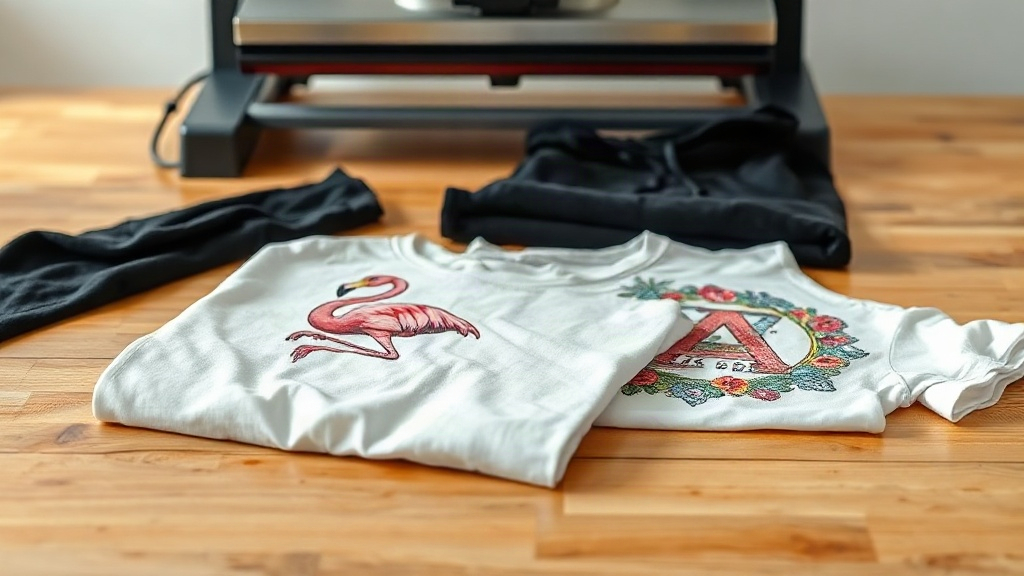
If you're in the custom apparel business or simply love creating unique garments, you've likely heard about DTF (Direct to Film) printing. This innovative technology has taken the industry by storm, offering a versatile and cost-effective alternative to traditional methods. Unlike screen printing or heat transfer vinyl, DTF transfers provide exceptional color vibrancy, durability, and ease of use. But what exactly are they, and how can you leverage them for your projects? In this comprehensive guide, we'll explore the ins and outs of DTF transfers, including tips for finding the best DTF transfers near me.
What Are DTF Transfers?
DTF transfers are a type of heat transfer used to apply custom designs onto fabrics. The process involves printing your artwork onto a special PET film using a DTF printer, applying adhesive powder to the wet ink, and then curing the powder. The result is a transfer that can be pressed onto various fabrics, including cotton, polyester, blends, and even tricky materials like nylon or leather. Unlike other methods, DTF transfers don't require weeding or special pretreatment for most fabrics, making them a favorite among small business owners and hobbyists alike.
How DTF Transfers Work
Understanding the DTF process helps you appreciate why these transfers are so reliable. Here's a step-by-step breakdown:
- Printing: Your design is printed in reverse onto a PET film using specialized DTF inks, typically CMYK plus white. The white layer acts as a base to ensure colors pop on dark garments.
- Adhesive Powder: While the ink is still wet, a hot-melt adhesive powder is applied to the film. This powder sticks only to the printed areas.
- Curing: The film is then passed through a heat tunnel or oven to melt and set the adhesive powder. This creates a strong bond that will later adhere to the fabric.
- Pressing: To apply the transfer, you place the film on the fabric with the printed side down and press it with a heat press machine at specific temperature and pressure settings.
- Peeling: After the press, you peel the film away, leaving your design permanently fused to the fabric.
This process is efficient and scalable, making it ideal for bulk orders or one-off custom pieces.
Why Choose DTF Transfers?
DTF technology offers numerous advantages that make it a game-changer:
- Versatility: Works on a wide range of fabrics, including cotton, polyester, blends, and even performance wear. You can also use it on non-fabric items like bags or hats.
- Vibrant Colors: The printing method produces bright, saturated colors with excellent detail. Even small text or intricate designs come out crisp.
- Durability: DTF transfers are known for their stretchability and wash resistance. They can withstand repeated washing without cracking or fading.
- No Weeding: Unlike vinyl, there's no need to manually remove excess material, saving you significant time and labor.
- Soft Hand Feel: The final print is thin and flexible, resulting in a soft texture that feels like part of the fabric.
- Cost-Effective for Small Runs: Since there are no screen setup fees, DTF is perfect for small orders, samples, or even single items.
DTF vs. Other Transfer Methods
To fully appreciate DTF, it helps to compare it with other popular methods:
DTF vs. Screen Printing
Screen printing is excellent for large bulk orders with simple designs and limited colors. However, it requires significant setup and is not practical for small quantities or complex, multi-colored artwork. DTF, on the other hand, offers unlimited colors and gradients with no setup costs, making it more flexible for small to medium runs.
DTF vs. Heat Transfer Vinyl (HTV)
HTV is great for simple, single-color designs but involves tedious weeding and is not suitable for full-color images. DTF eliminates weeding and allows for photographic quality prints. It also adheres better to stretchy fabrics, making it superior for activewear.
DTF vs. Sublimation
Sublimation works only on polyester fabrics and requires a white base, limiting its use. DTF can print on any color and fabric type, offering more versatility. Additionally, DTF doesn't require special coating, so it's easier to use on a variety of substrates.
Key Applications of DTF Transfers
DTF transfers are incredibly versatile and can be used in many applications:
- Custom Apparel: T-shirts, hoodies, sweatshirts, and more. Perfect for sports teams, corporate uniforms, or personal projects.
- Fashion Brands: Emerging designers can create small batches of unique garments without investing in expensive equipment.
- Promotional Products: Tote bags, caps, and other merch can be customized with logos or slogans.
- Home Décor: Cushions, curtains, or tablecloths can feature personalized designs.
- Accessories: DTF can be applied to items like aprons, backpacks, or even shoes with careful handling.
How to Find the Best DTF Transfers Near Me
When searching for DTF transfers near me, you want to ensure quality and reliability. Here are some tips to help you choose the right provider:
Research Local Print Shops
Start by searching online for local businesses that offer DTF transfer services. Look for those with positive reviews and a portfolio of their work. You can also ask for recommendations from fellow crafters or small business owners in your community.
Evaluate Their Equipment and Inks
A professional provider should use high-quality DTF printers and genuine inks. Inquire about their printing resolution and whether they use white ink for underbase. The best results come from printers that produce high DPI (dots per inch) and have precise color management.
Check Their Turnaround Time
Depending on your needs, turnaround time can be critical. Some businesses offer same-day service for small orders, while others may take a few days. Make sure to ask about their standard processing times and any rush options.
Request Samples
Before committing to a large order, request a sample of their work. This allows you to assess print quality, color accuracy, and durability. A reputable provider will be happy to accommodate this request.
Compare Pricing
While price shouldn't be the sole deciding factor, it's essential to compare quotes from different providers. Keep in mind that extremely low prices may indicate inferior materials or shortcuts in the process. Look for a balance between cost and quality.
What to Look for in DTF Transfer Quality
When you receive your DTF transfers, you should inspect them for the following qualities:
- Color Vibrancy: Colors should be saturated and match your original design closely. There should be no fading or dullness.
- Adhesive Coverage: The adhesive powder should be evenly distributed, ensuring that the entire design will adhere to the fabric without gaps.
- Film Quality: The film should be transparent and smooth, without bubbles or wrinkles that could affect printing.
- Edge Definition: Fine lines and small text should be sharp and well-defined, without bleeding or smudging.
Tips for Using DTF Transfers Effectively
To get the best results from your DTF transfers, follow these expert tips:
Proper Heat Press Settings
Each brand of DTF transfer may have specific temperature, pressure, and time requirements. Typically, you'll need to press at around 300°F (150°C) for 10-15 seconds with medium to firm pressure. Always refer to the manufacturer's instructions, and consider doing a test press on a scrap piece of fabric.
Use a Quality Heat Press
A good heat press with even heat distribution and accurate temperature control is crucial. Inconsistent heat can lead to uneven adhesion or scorching. Clamshell or swing-away presses both work well, but ensure your press is large enough for the garment.
Pre-Press the Garment
Before applying the transfer, pre-press the garment for a few seconds to remove wrinkles and moisture. This ensures a smooth surface and better adhesion.
Handle the Transfer Carefully
When peeling the film, do so while it's still hot for a hot peel, or wait for it to cool for a cold peel, depending on the product. Some films require a specific peel temperature. Following the instructions will prevent lifting or damage.
Wash and Care Instructions
To prolong the life of your DTF prints, wash garments inside out in cold water and avoid using bleach or fabric softeners. Tumble dry on low or hang dry. This maintains the integrity of the adhesive and colors.
Common Mistakes to Avoid When Using DTF Transfers
Even experienced crafters can make mistakes. Here are some common pitfalls and how to avoid them:
- Incorrect Temperature: Too low and the adhesive won't melt properly; too high and you risk scorching the fabric. Always use a thermometer to verify your press temperature.
- Insufficient Pressure: Even pressure is essential for full adhesion. If parts of the design lift, increase the pressure or extend the press time slightly.
- Not Pre-Pressing: Skipping this step can trap moisture or wrinkles, leading to poor results.
- Using the Wrong Fabric: While DTF works on many fabrics, some textures like rough canvas may need special handling. Test on a sample first.
- Overstretching: Be gentle when pressing stretchy fabrics to avoid distorting the design.
DTF Transfers: A Sustainable Choice
In an era of increasing environmental awareness, DTF printing offers some sustainability benefits. Unlike screen printing, which uses large amounts of water and creates chemical waste, DTF uses minimal resources. The PET film can be recycled, and the inks are often water-based, making them more eco-friendly. Additionally, because DTF is ideal for small batches, it reduces overproduction and waste.
Future Trends in DTF Technology
The DTF industry is continuously evolving. We're seeing advancements in ink formulations that enhance color gamut and durability. Some printers now offer white ink circulation systems that prevent clogging, improving reliability. There's also growing interest in DTF for producing transfers that can be applied to non-textile items, expanding its potential uses. As technology becomes more accessible, we can expect even smaller businesses to adopt DTF, further democratizing custom apparel production.
Frequently Asked Questions
How long do DTF transfers last?
With proper application and care, DTF transfers can last as long as the garment itself. They are designed to withstand numerous washes without cracking or fading. On average, you can expect 50+ washes if you follow the recommended care instructions.
Can I use DTF transfers on dark-colored garments?
Absolutely! One of the main advantages of DTF is its ability to print on dark fabrics. The white underbase ensures that colors remain vibrant and opaque, so your design looks just as good on black as it does on white.
Do I need a special printer to make DTF transfers?
Yes, you need a DTF printer, which is specifically designed to handle the white ink and PET film. These printers are available in various sizes and price ranges, making it possible for hobbyists to get started with a desktop model.
What is the difference between DTF and DTG?
DTG (Direct to Garment) printing involves printing directly onto the fabric using a specialized inkjet printer. It works well on cotton but struggles with polyester because the ink doesn't bond well. DTF, on the other hand, uses a film transfer method that works on virtually any fabric, making it more versatile. DTF is also often faster for multiple copies, as you can print multiple transfers in advance and press them as needed.
Can I use DTF transfers on items other than clothing?
Yes, DTF transfers can be applied to various fabric-based items like tote bags, aprons, and caps. With careful handling, you can also apply them to materials like leather or canvas, though you may need to adjust pressing parameters.
Conclusion
DTF transfers have revolutionized the custom printing industry, offering a perfect blend of quality, versatility, and ease of use. Whether you're a seasoned professional or a newcomer, understanding how DTF works and how to choose the right provider can make all the difference in your projects. When looking for DTF transfers near me, take the time to research and test providers to ensure you get the best results. With the right approach, you'll be creating stunning, durable prints that impress your customers and elevate your brand. Embrace the world of DTF and unlock endless creative possibilities.