
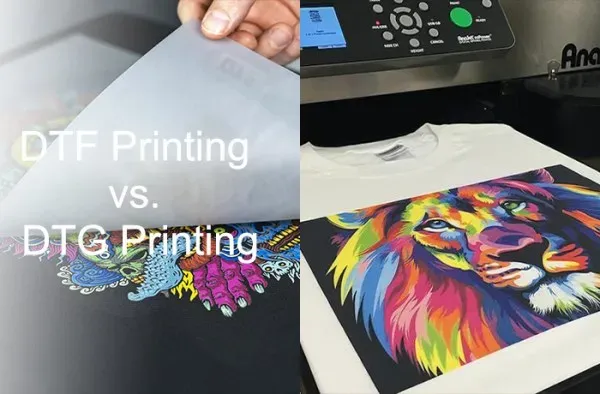
When exploring DTF vs DTG printing, understanding these two advanced garment printing methods is essential for anyone investing in custom apparel. DTF printing benefits from its versatile material compatibility, allowing for stunning designs on a wide range of fabrics from cotton to polyester. In contrast, DTG printing advantages include its remarkable detail and vibrant colors, perfect for intricate artwork on cotton garments. As you delve into garment printing differences, consider how each method aligns with your specific needs for production speed and cost-effectiveness. This comprehensive guide will help you determine how to choose the printing method that best suits your custom apparel printing requirements.
In the realm of garment decoration, comparing Direct-to-Film and Direct-to-Garment printing offers valuable insights into the intricacies of modern printing technologies. These two techniques present unique capabilities and benefits, influencing choices for custom clothing and merchandise. Understanding the operational principles behind these methods can illuminate your selection process, especially when evaluating cost dynamics and efficiency for varying production volumes. With a focus on the key performance indicators of each technique, this guide will assist you in navigating the prevalent printing options available today, ensuring that your decorating projects meet both quality and budgetary expectations.
An Overview of DTF Printing Benefits
Direct-to-Film (DTF) printing has garnered attention for its numerous benefits, particularly in the realm of custom apparel printing. One key advantage is its ability to work with a diverse range of materials, including cotton, polyester, and blends, making it an exceptionally versatile option for businesses looking to offer a variety of products. This flexibility allows brands to cater to different customer preferences and fabric needs, reaching a broader audience. Furthermore, DTF printing’s lower ink consumption and reduced waste compared to traditional methods contribute positively to its appeal, making it a sustainable choice for eco-conscious brands.
Another significant benefit of DTF printing is its production speed. Unlike Direct-to-Garment (DTG) printing, which processes each item individually, DTF enables bulk production by preparing printed films in advance. This capability not only streamlines the production workflow but also reduces labor costs, allowing businesses to serve larger orders efficiently. Additionally, since DTF transfers are heat applied, they maintain high durability with vibrant colors even after multiple washes, thereby ensuring customer satisfaction and repeat business.
The Advantages of DTG Printing
Direct-to-Garment (DTG) printing offers unique advantages that make it an appealing choice for various custom apparel projects. One of the most notable benefits is its exceptional print quality. DTG printing employs advanced inkjet technology that allows for the application of intricate designs directly onto the fabric with stunning color vibrancy. This makes it particularly suitable for detailed, multi-colored designs, such as artwork from individual artists or custom logos. The result is a professional finish that enhances the garment’s appeal and can help businesses stand out in a crowded market.
Additionally, DTG printing is highly regarded for its ability to produce short runs and one-off items at a relatively low cost. Unlike traditional screen printing, which requires extensive setup and is better suited for larger batches, DTG allows for individual pieces to be printed without high fixed costs. This means small businesses or independent designers can easily create custom apparel without financial burdens. Moreover, as DTG technology continues to evolve, advancements in materials and ink formulations are paving the way for even greater durability and eco-friendly practices within the printing process.
Garment Printing Differences: A Closer Look
When comparing garment printing methods, understanding the differences between DTF and DTG is crucial for making informed decisions. One of the primary distinctions is the type of fabric each method best accommodates. DTG printing excels with 100% cotton or cotton-rich fabrics, ensuring vibrant and detailed prints. In contrast, DTF printing shines in its compatibility with a wider variety of materials, including polyester and synthetic fabrics, providing greater flexibility for businesses offering a diverse range of products. This variability can significantly influence the type of clientele that a printing service can attract.
Another essential difference lies in the production techniques and results of each method. While DTG is preferred for its high-quality output on natural fibers, DTF allows for quicker production times and the ability to prepare heat transfers in advance. This results in DTF often being the better choice for businesses focused on fulfilling larger orders efficiently. Therefore, it’s vital for businesses to assess their target market and product diversity when deciding between DTF and DTG processes.
How to Choose Between Printing Methods
Choosing between DTF and DTG printing requires careful consideration of various factors, including material compatibility and production needs. If the primary goal is to create designs on a wide range of fabrics, DTF is likely the better option due to its versatility. However, if the focus is on creating high-quality prints for unique, cotton-based garments, DTG would be the preferred method. Businesses must analyze their product offerings and the types of customers they intend to serve in order to select the most suitable printing technology.
Additionally, understanding the production volume expectations can influence the choice of printing method significantly. For smaller batches, DTG can be economically viable, enabling artists and small brands to produce one-off designs without incurring hefty costs associated with bulk production. Conversely, for businesses looking to scale and produce larger quantities, DTF offers a more cost-effective solution due to efficiencies created during the heat transfer process. Weighing these aspects is crucial to ensure that the selected method aligns with both practical and financial goals.
Custom Apparel Printing: Meeting Market Demands
In the competitive landscape of custom apparel printing, businesses must stay aligned with market demands and trends to ensure sustainability and growth. A primary consideration is the growing consumer preference for personalized products, which places increased importance on the flexibility offered by printing methods like DTF and DTG. Companies that can quickly adapt to changing styles and consumer preferences are well-positioned to thrive, and understanding the nuances of each printing method can give them a significant advantage.
Furthermore, the rise of e-commerce has amplified the demand for custom printing services, as customers increasingly seek unique designs that reflect their individual styles. Businesses should consider the integration of advanced printing technologies that enhance their product offerings while maintaining quality and production efficiency. Being able to offer a seamless customer experience, from design conception to final delivery, underscores the importance of selecting the most effective printing method—whether it’s DTF’s versatility or DTG’s superior quality.
Environmental Impact of Printing Technologies
As environmental concerns become more pressing, the printing industry also faces scrutiny regarding its ecological footprint. Both DTF and DTG printing methods offer distinct advantages in terms of sustainability. DTG printing commonly employs water-based inks, lending to a more eco-friendly process compared to solvent-based inks still prevalent in some traditional methods. This progressive move places DTG at the forefront of sustainable printing technologies, appealing to environmentally conscious consumers and businesses alike.
On the flip side, DTF has been making strides toward sustainability by focusing on reducing waste and improving production processes. Innovations in ink formulations and material usage are helping mitigate the environmental impact associated with larger production runs. As awareness of sustainable practices increases among consumers, businesses leveraging these advancements in both DTF and DTG can potentially attract eco-conscious clientele, underscoring the importance of selecting printing methods that align with ethical and environmental standards.
Frequently Asked Questions
What are the key differences between DTF and DTG printing?
The key differences between DTF and DTG printing lie in the processes involved, print quality, production speed, and material compatibility. DTG printing directly applies ink onto fabric, excelling in vibrant colors and intricate designs primarily on cotton materials. In contrast, DTF printing transfers designs from film onto various materials, including polyester, making it more versatile. While DTG is ideal for small batches, DTF is generally more efficient and cost-effective for larger runs.
What are the benefits of DTF printing compared to DTG printing?
DTF printing offers several benefits over DTG printing, including versatility across different materials, faster production times for large orders, and often lower costs due to bulk film preparation. Additionally, DTF prints are known for their robustness and wash resistance, maintaining color vibrancy over multiple washes, which is advantageous for custom apparel printing.
How do I choose between DTF and DTG printing methods?
Choosing between DTF and DTG printing methods depends on several factors: the types of fabrics you plan to use, the complexity and detail of your designs, production volume, and budget constraints. If you need to print on a variety of fabrics or have larger orders, DTF may be the better option. For intricate designs on cotton, DTG is preferable.
What are the advantages of using DTG printing for custom apparel?
DTG printing offers advantages such as high print quality, especially for detailed designs on cotton fabrics, and the ability to print directly onto the garment, which allows for smoother finishes. It has no setup costs for small orders, making it economical for custom, one-off items, and is ideal for artists focusing on limited runs.
What should I know about the cost-effectiveness of DTF versus DTG printing?
In terms of cost-effectiveness, DTG is generally more economical for smaller orders since there are no setup fees. However, DTF printing becomes more cost-effective for larger quantities, as the ability to prepare films in bulk reduces the cost per unit significantly. Analyzing your production needs is essential for determining which method is best for your business.
How do durability and environmental impact compare between DTF and DTG printing?
In terms of durability, both DTF and DTG printing methods hold up well, but DTF tends to have an edge regarding wash resistance. As for environmental impact, DTG often uses water-based inks, which are typically more sustainable, while DTF technologies are also adapting to incorporate eco-friendly practices. Overall, both methods are working toward reducing their environmental footprint.
| Feature | DTG Printing | DTF Printing |
|---|---|---|
| Print Quality | Vibrant colors, ideal for cotton with intricate designs. | Good color vibrancy, supports various materials with decent detail. |
| Production Speed | Slower for large orders; individual prints only. | Quicker for larger runs; films can be prepared in advance. |
| Cost Effectiveness | Economical for smaller orders; no setup fees. | More cost-effective for larger orders; lower production costs per unit. |
| Durability | Durable but varies with fabric care. | Better wash resistance, maintains colors for longer with proper maintenance. |
| Environmental Impact | Uses water-based inks; more sustainable option. | Advancements in sustainability but may use various inks. |
Summary
DTF vs DTG printing are two leading technologies in the garment printing industry, each offering distinct advantages and features. Direct-to-Garment (DTG) printing utilizes inkjet technology for direct application on fabric, excelling in vibrant color reproduction and intricate designs, particularly on cotton materials. In contrast, Direct-to-Film (DTF) printing allows for a broader range of fabric compatibility and faster production speeds, particularly beneficial for larger orders. When deciding between the two methods, consider factors such as material types, print quality, speed, and budget constraints. Ultimately, understanding DTF vs DTG printing enables businesses and individuals to select the most suitable printing solution for their unique garment projects, balancing quality and efficiency.