
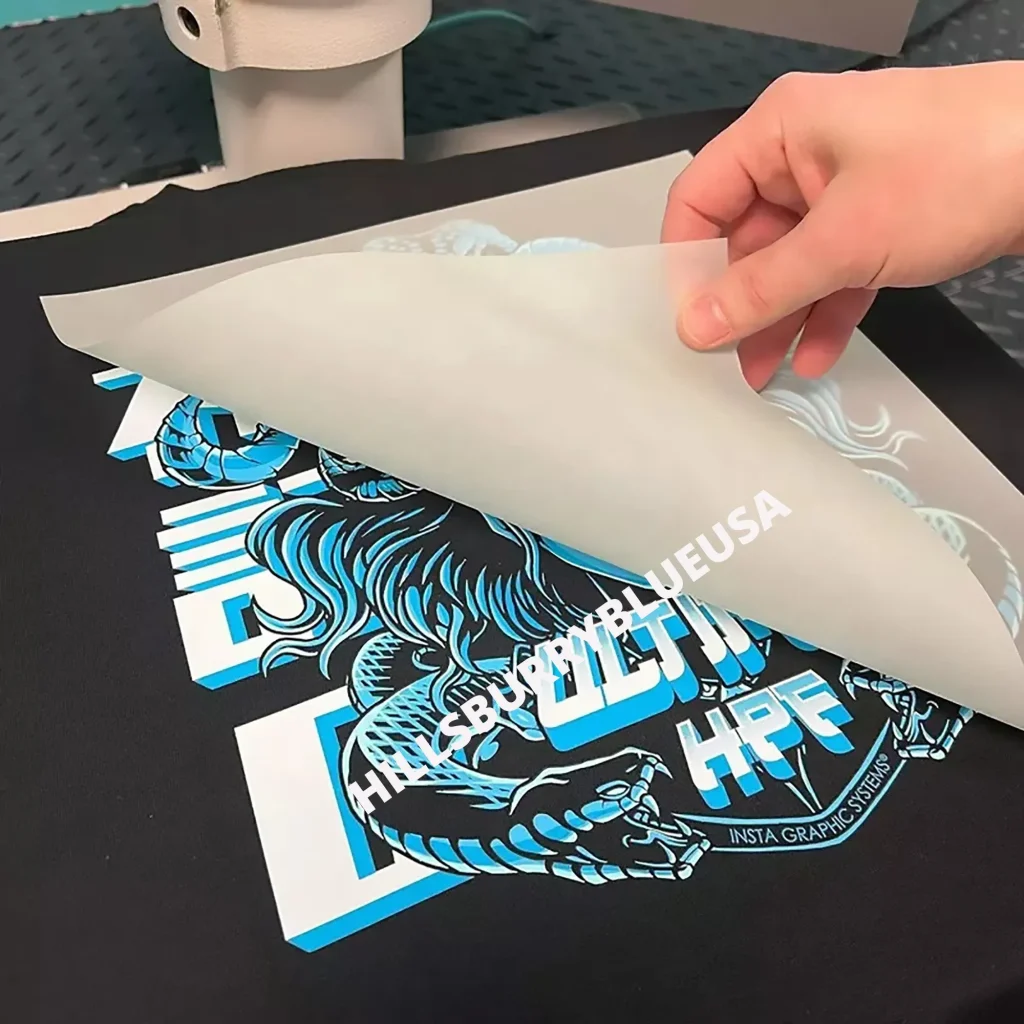
DTF transfers, short for Direct to Film transfers, have revolutionized the custom printing landscape by offering a straightforward method for creating brilliant designs on fabric. This innovative technique not only simplifies the printing process but also delivers stunning results, making it a favorite among garment decorators and small business owners. Whether you’re new to the world of transfer printing or seeking ways to refine your skills, understanding the nuances of DTF transfers is essential. In this comprehensive guide, we’ll explore practical tips and best practices to help you master DTF transfers, from selecting the right materials to optimizing your printer settings. Get ready to elevate your art with the most effective DTF printing tips in the industry!
In the realm of custom fabric printing, Direct to Film (DTF) applications have emerged as a noteworthy method for printing high-quality graphics onto garments. This process utilizes specialized techniques to achieve vibrant color prints, catering to both professional printers and enthusiastic hobbyists. From preparation to execution, understanding the intricacies of transfer printing methods is vital for anyone looking to enhance their skills. As we delve into this comprehensive DTF transfer guide, you’ll uncover valuable insights and techniques, ensuring you can create standout designs with confidence. Explore the best DTF transfer practices that will set your projects apart in this competitive market.
1. The Basics of DTF Transfers: Understanding the Process
DTF transfers, or Direct to Film transfers, represent a revolutionary method in textile printing that has quickly gained traction due to its simplicity and effectiveness. Understanding the basics involves grasping how special inks and films work together to create vibrant, high-quality prints. The process starts with printing a design onto a specially coated film using specialized inks, which typically consists of a white ink layer followed by a CMYK layer. This preparation ensures that colors are vivid and durable, making it a great choice for a variety of fabric types.
Furthermore, the hot melt powder applied during printing plays a crucial role in the heat transfer process. It serves to bind the ink to the fabric once heat is applied through a heat press. This step is essential for achieving longevity in printed designs, as the powder ensures adherence to both the film and the substrate. By mastering the fundamentals of how DTF transfers work, users can optimize their practice and troubleshoot issues that may arise during execution.
2. High-Quality Materials: Ensuring Successful DTF Transfers
Using high-quality materials is paramount when executing DTF transfers. The right DTF film is critical; it needs to be specifically designed for the printing technique to ensure proper adhesion of ink and optimal transfer quality. Look for films that have a unique coating, as they significantly improve how well the inks bond to the fabric, ultimately affecting the vibrancy and durability of the print. Investing in superior materials can make the difference between an amateur print and a professional-quality finish.
Choosing the right inks is also essential for a successful DTF printing process. High-quality inks specially formulated for DTF transfer offer better color vibrancy and longevity on fabrics. When selecting inks, consider brands that are well-known for their reliability and compatibility with your specific printing hardware. The quality of your materials can largely dictate the results of your DTF projects, making this an area that should not be overlooked.
3. Printer Settings: Optimizing Your DTF Printing Setup
Adjusting printer settings is critical to ensuring optimal DTF transfer results. Setting the print resolution correctly between 720 to 1200 DPI is advisable; while higher resolutions can produce sharper images, they might also lead to problems with drying time. An appropriate setting can prevent common issues such as ink smudging or fading, thus enhancing the quality of the final product significantly.
Additionally, optimizing your color settings is crucial for matching the transfer’s colors to your original design. Performing test prints can help identify any discrepancies in color before committing to a final transfer. Ensuring that colors appear vibrant on-screen and in print can be the difference between a successful project and a disappointing outcome. Proper printer settings laid out beforehand will be your blueprint for consistently high-quality DTF transfers.
4. Pre-Treatment Techniques for Enhanced Adhesion
Pre-treating fabrics before applying DTF transfers is a step that many can overlook, yet it is essential for ensuring that the transfer adheres properly. Cleaning the fabric to remove dust, dirt, and oils can significantly improve the transfer quality. A thorough pre-wash of the fabric helps to eliminate any chemical residues, ensuring that the transfer process is not hindered by unwanted substances. The cleaner the fabric, the better the adhesion and longevity of the transfer.
Applying DTF powder to the printed film before using the heat press is another crucial technique. This powder helps facilitate a better bond between the design and the garment, as it effectively melts during the heat application, ensuring that the ink adheres impeccably. This simple pre-treatment can save time and materials by preventing failed transfers, making it an indispensable step in the DTF printing process.
5. Techniques for Effective Heat Pressing
Proper heat pressing is central to executing successful DTF transfers. To achieve optimal results, maintaining the correct temperature and timing is crucial; generally, a temperature of around 320°F (160°C) for about 15-20 seconds is recommended. However, these settings may vary based on the fabric type used, so it’s important to adjust according to the specific needs of the material to ensure effective transfer without damaging the fabric.
Equally vital is the pressure used during the transfer. Different fabric thicknesses require varying amounts of pressure to achieve even contact with the heat press. Paying attention to this detail can prevent failures such as uneven transfers or lifted films during peeling. Additionally, allowing the transfer to cool slightly before peeling the film can ensure the design has set properly, thereby enhancing its longevity on the garment.
6. Post-Processing: Maintaining DTF Transfer Integrity
After successfully completing a DTF transfer, implementing post-processing techniques can significantly enhance the durability of your prints. Curing, or re-pressing the transfer with a protective cover sheet, solidifies the design on the fabric and is crucial for items prone to frequent washing. This step not only improves the bond between the ink and the fabric but also boosts the overall resilience of the print against wear and tear.
Lastly, providing the right washing instructions to customers can prolong the life of the DTF transfer. Advising them to wash garments inside out in cold water and to refrain from using bleach or harsh detergents can maintain the print’s integrity. By taking these post-processing measures into account, both printers and customers can enjoy high-quality, durable DTF transfers for a longer period.
Frequently Asked Questions
How to do DTF transfers effectively?
To effectively execute DTF transfers, start by understanding the DTF printing process, which involves using specialized inks and coated films. Make sure to use high-quality materials, including DTF film and compatible inks. Adjust your printer settings for optimal resolution and color matching. Pre-treat your fabrics for better adhesion, and apply proper heat pressing techniques for durability. Finally, follow post-processing steps like curing to ensure vibrant and lasting designs.
What are some essential DTF printing tips for beginners?
Beginners should focus on quality materials when starting with DTF printing. Use the appropriate DTF transfer film and high-quality inks designed for this method. Adjust printer settings to achieve the right resolution and color accuracy. Pre-treat fabrics for optimal adherence, and ensure correct heat pressing techniques are applied. Regularly test and adjust settings based on the results to refine your DTF transfers.
What are the best DTF transfer practices for high-quality results?
The best DTF transfer practices include using premium DTF film and inks, adjusting printer settings for optimal results, and ensuring fabrics are properly pre-treated. Carefully monitor heat pressing temperatures and pressures for different fabric types and allow for cooling before peeling off the film. Incorporating a curing step can enhance durability, making your DTF transfers more vibrant and long-lasting.
Can you provide a DTF transfer guide for troubleshooting common issues?
A DTF transfer guide for troubleshooting should include checking your printer settings if colors are dull, adjusting ink density, and ensuring compatibility. If film is lifting during peeling, verify heat and pressure settings. Additionally, ensure fabrics are pre-treated correctly to avoid adhesion issues. Regularly inspect materials and perform test prints to identify problems proactively.
What transfer printing techniques enhance DTF transfers?
Enhancing DTF transfers involves using various transfer printing techniques such as adjusting ink layers, applying DTF powder before heat pressing, and using the right heat and pressure settings. Ensuring a smooth, clean fabric surface and following proper pre-treatment methods can also significantly improve adhesion and print quality. Monitor and adjust your process based on results for optimal performance.
What should I know about DTF transfers before starting a project?
Before starting a DTF transfer project, it’s crucial to understand the materials required, such as high-quality DTF film and compatible inks. Familiarize yourself with the printing process, including printer settings and techniques for heat pressing. Pre-treatment of fabrics is essential for achieving strong adhesion. Be aware of the post-processing steps needed to enhance print durability, such as curing and proper washing instructions.
| Key Point | Details |
|---|---|
| Understanding DTF Transfers | DTF transfers utilize specialized inks on coated films with a white ink layer and CMYK layer, combined with hot melt powder for heat transfer. |
| Quality Materials Make a Difference | Use high-quality DTF transfer film and inks designed for DTF printing to ensure vibrant colors and durability. |
| Printer Settings | Set printer resolution between 720-1200 DPI and adjust color settings for accurate representation. |
| Pre-Treatment of Fabrics | Clean and pre-wash fabrics, apply DTF powder for improved adhesion during heat transfer. |
| Heat Pressing Techniques | Heat press at 320°F for 15-20 seconds, adjust pressure as needed and cool before peeling. |
| Post-Processing for Durability | Cure prints with a protective sheet and advise cold washing to maintain the integrity of transfers. |
| Troubleshooting Common Issues | Address dull colors by adjusting ink density, and ensure proper heat and pressure to avoid film lifting. |
Summary
DTF transfers, or Direct to Film transfers, represent a revolutionary advancement in the world of fabric printing, offering creators an easy way to achieve high-quality, vibrant designs. By understanding the components of this technique—from selecting the right materials to mastering printer settings and heat pressing techniques—print professionals can elevate their output significantly. With this guide, anyone can learn the intricacies of executing flawless DTF transfers, enhancing their printing capabilities and ensuring long-lasting results for both personal and commercial projects.