
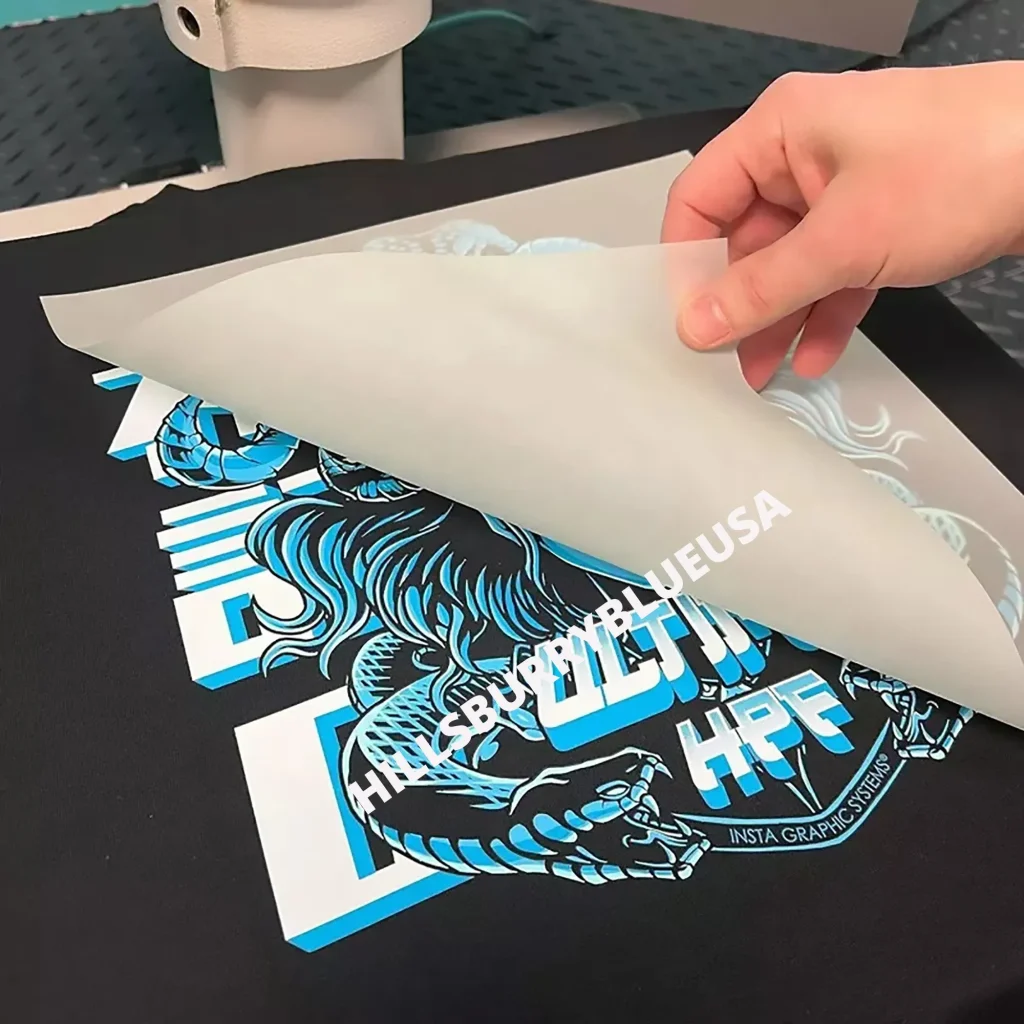
In the dynamic realm of custom merchandise, DTF transfers have quickly become a standout technology, revolutionizing the way designs are printed onto fabrics. Offering a perfect combination of versatility, vibrancy, and sustainable practices, DTF printing caters to a growing demand for personalized products. More businesses are harnessing the benefits of DTF transfers to create eye-catching, eco-friendly merchandise that resonates with consumers. This method not only facilitates efficient production and quick turnaround times but also supports businesses in aligning with environmentally conscious values. As we delve deeper into the advantages of DTF transfers, it becomes clear that this innovation is not just a trend, but a vital tool for staying competitive in today’s market.
Often referred to as Direct-to-Film printing, DTF technology has emerged as a game-changer for creators looking to produce custom apparel and merchandise. This modern printing method involves applying designs directly onto a film before transferring them onto various substrates, facilitating a wide range of applications from clothing to home goods. With an emphasis on user-friendliness and adaptability, the process has significantly lowered barriers for small businesses seeking to enter the print-on-demand market. Not only does DTF enhance the quality and detail of printed designs, but its eco-friendly inks also cater to the increasing consumer preference for sustainable options. As we explore the multifaceted world of DTF transfers, it is evident that this approach is reshaping the landscape of personalized merchandise.
Understanding DTF Transfers and Their Role in Custom Merchandise
Direct-to-Film (DTF) transfers represent a technological leap in the custom merchandise landscape, enabling creators to print vibrant designs onto films that can easily be transferred onto a variety of materials. Unlike traditional methods, which often involve limitations of substrate and color intricacy, DTF printing opens the door to limitless customization possibilities. This technology caters to varying fabric types, such as cotton, polyester, and mixed blends, making it incredibly versatile for producers aiming to expand their product lines.
The process of DTF involves high-quality inks that ensure color richness and detail that traditional printing methods struggle to match. As a result, businesses leveraging DTF transfers are able to create visually striking items that captivate consumers. In a marketplace that increasingly values customization, the ability to deliver intricate and colorful designs on demand is an invaluable asset that can set brands apart.
The Versatility of DTF Transfers in Custom Merchandise Production
One of the standout features of DTF transfers is their versatility in application; they can adhere seamlessly to various fabrics and materials, broadening the horizons for custom merchandise. From fashion apparel and promotional goods to home décor items, DTF printing caters to a multitude of products, expanding the potential offerings for businesses. This adaptability allows brands to easily experiment with different designs and materials, perfect for both large corporate orders and personalized gifts.
This versatility also positions DTF as a favorable choice for niche markets and small businesses. Startups can test different fabric combinations without the commitment of traditional printing methods, which often require larger runs to justify initial setup costs. As a result, DTF transfers empower emerging entrepreneurs to express creativity while minimizing financial risk.
Cost-Effectiveness of DTF Transfers in Business Operations
In the competitive realm of custom merchandise, cost becomes a crucial consideration for businesses. DTF transfers are particularly appealing due to their lower setup costs compared to traditional printing methods like screen printing. This affordability makes DTF printing a practical choice for small to medium-sized runs, allowing businesses to maintain financial flexibility while producing high-quality items.
Moreover, the ability to print on demand is a significant advantage over traditional inventory practices. Businesses can fulfill orders as they come in, which reduces both waste and storage costs. This flexibility not only helps maintain a healthy cash flow but also caters to the growing consumer demand for instant gratification in product availability, making DTF printing not just a cost-saving solution but a strategic one.
Accelerating Production with DTF Transfers
In today’s fast-paced market, the ability to deliver products quickly is paramount. DTF transfers streamline the production process, significantly shortening turnaround times without compromising quality. This efficiency enables businesses to meet the growing consumer expectations for prompt delivery while simultaneously maintaining high standards in their product offerings.
By utilizing DTF technology, businesses can respond swiftly to market trends and customer demands. For example, if a particular design or product swiftly gains popularity, DTF printing allows companies to pivot quickly and introduce these items without the long lead times associated with other printing methods. Consequently, this agility not only satisfies customer desires for timely delivery but also enhances overall satisfaction and loyalty.
Sustainability and Eco-Friendly Aspects of DTF Printing
As environmental consciousness continues to rise among consumers, sustainable practices in the printing industry are of utmost importance. Many DTF transfers utilize water-based inks, offering a more eco-friendly alternative compared to the solvent-based inks prevalent in traditional printing methods. This shift towards sustainability is vital for businesses aiming to align their branding with eco-conscious values, catering to a market that increasingly prioritizes responsible consumption.
Additionally, by reducing waste and avoiding harmful solvents, DTF printing helps businesses enhance their environmental footprint. Customers are drawn to brands that demonstrate a commitment to sustainability, providing businesses with a unique selling proposition that can attract increasingly discerning consumers. Thus, integrating eco-friendly practices with cost-effective production methods elevates DTF transfers as not just a modern solution, but a conscientious one.
Challenges and Considerations When Using DTF Transfers
While DTF transfers present numerous benefits, it’s essential for businesses to recognize the challenges associated with implementing this technology. The quality of the final product relies heavily on the equipment and materials used; investing in high-grade printers and films is crucial for ensuring optimal results. Additionally, understanding the nuances of DTF printing is vital for achieving successful outcomes that meet customer expectations.
Training staff members on the specifics of DTF technology can also mitigate potential issues during production. By equipping teams with the required knowledge and skills, businesses can enhance overall product quality and efficiency. Therefore, addressing these challenges proactively can lead to a smoother transition into DTF printing, ultimately leading to greater customer satisfaction and business success.
Frequently Asked Questions
What are DTF transfers and how do they differ from traditional printing methods?
DTF transfers, or Direct-to-Film transfers, are a modern printing technique where designs are printed onto a special film and then transferred to fabrics using heat and pressure. Unlike traditional methods like screen printing, DTF offers greater versatility with materials, allowing for creative designs on diverse substrates, including cotton, polyester, and blends.
What are the key benefits of using DTF transfers in custom merchandise production?
DTF transfers provide several key benefits for custom merchandise, including stunning color vibrancy, exceptional detail retention, cost-effective production for small runs, quick turnaround times, and a user-friendly process. These advantages make DTF a preferred choice for businesses seeking quality and efficiency in their printing.
How can DTF transfers enhance eco-friendly printing practices?
DTF transfers support eco-friendly printing due to the use of water-based inks, which significantly reduce the environmental impact compared to traditional solvent-based inks. Businesses looking to align their custom merchandise with sustainable practices can adopt DTF printing as a green alternative in their production process.
Is DTF printing suitable for print-on-demand services?
Yes, DTF printing is ideal for print-on-demand services as it allows businesses to produce custom merchandise quickly without the need for extensive inventory. This method supports rapid response to customer trends and reduces waste, making it an efficient choice for startups and small enterprises.
What factors should businesses consider when investing in DTF transfer technology?
When investing in DTF transfer technology, businesses should consider the quality of printers and films, the cost of materials, and the necessary training for staff to ensure high-quality output. Understanding these factors will help maximize the benefits of DTF printing in delivering exceptional custom merchandise.
How do DTF transfers contribute to the profitability of custom merchandise businesses?
DTF transfers contribute to profitability by enabling businesses to create personalized products and capitalize on current trends quickly. The low setup costs for small runs and the ability to print on demand help reduce overhead and inventory costs, ultimately enhancing profit margins for custom merchandise creators.
| Key Points | Description |
|---|---|
| What are DTF Transfers? | DTF transfers involve printing designs onto a film, which is then transferred onto various fabrics using heat and pressure. |
| Versatility in Application | They can be applied to diverse fabrics including cotton, polyester, and blends, allowing for detailed and colorful designs. |
| Rich Colors and Impeccable Detail | High-quality inks used in DTF transfers provide vibrant colors and preserve intricate details, resulting in crisp graphics. |
| Cost-Effective Production | DTF printing is often cheaper than traditional methods, especially for small to medium runs, making it ideal for startups. |
| Quick Turnaround Time | The streamlined process significantly reduces turnaround times, improving customer satisfaction. |
| Eco-Friendly Option | Many DTF inks are water-based, making them a more sustainable choice compared to traditional solvent-based inks. |
| User-Friendly Process | Advancements in technology have made DTF printing accessible for small businesses and hobbyists. |
Summary
DTF transfers are revolutionizing the custom merchandise landscape with their unique blend of versatility, high-quality results, and cost-effectiveness. By allowing businesses of all sizes to easily produce vibrant, detailed designs on a variety of materials, DTF printing is becoming an essential tool for entrepreneurs looking to capitalize on the personalized merchandise trend. As awareness and adoption of such sustainable practices continue to grow, DTF transfers will play a pivotal role in the future of custom printing. Embracing this cutting-edge printing technology not only enables businesses to meet the diverse needs of consumers but also positions them for success in an increasingly competitive market.