
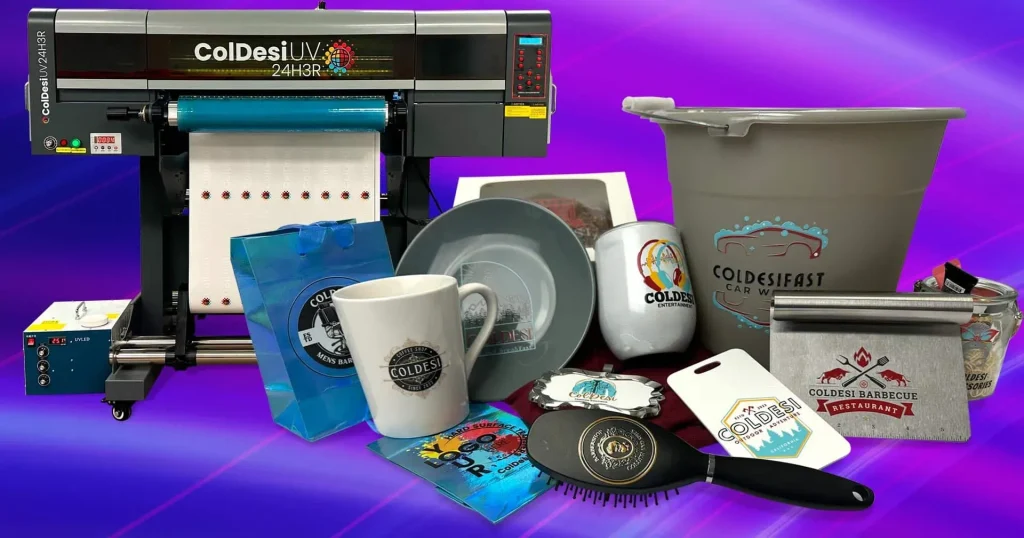
In the fast-paced world of modern printing technologies, **UV DTF printing** has emerged as a groundbreaking technique that fuses the rapidity of UV printing with the flexibility of direct-to-film methods. This innovative printing solution utilizes environmentally friendly UV inks, delivering vibrant and durable designs across a variety of substrates, including textiles and plastics. Businesses are increasingly turning to the DTF transfer process for its superior quality and versatility, making it a preferred choice in numerous industries. As we explore the intricate workings of UV DTF printing, from design to final transfer, it becomes evident that this technology is not just about aesthetics but also about sustainability and efficiency. Join us on a journey to unlock the potential of UV DTF printing, transforming how we perceive and execute printing projects in today’s market.
UV DTF printing, or Ultraviolet Direct to Film printing, represents a significant advancement in the realm of printing technology. This process combines traditional printing methods with modern techniques, resulting in high-quality thermal transfers suitable for various applications. Renowned for its use of UV inks, this technology stands out by producing detailed and vivid images that adhere exceptionally well to diverse materials. In this exploration, we will delve deeper into the DTF transfer process, highlighting how its capabilities can elevate product branding and customization efforts. As industries seek innovative printing solutions, understanding this unique technology becomes crucial for staying competitive and meeting consumer demands.
What Makes UV DTF Printing Unique?
UV DTF printing stands out due to its unique combination of technologies that optimize the printing process. By utilizing ultraviolet curing technology, this method offers incredibly vibrant colors and superior stability compared to traditional printing techniques. The process begins with high-resolution digital design creation, wherein the colors are brought to life through the innovative use of UV inks. These inks are quick to cure, allowing for immediate handling and reduced production times, significantly enhancing workflow efficiency.
Another aspect that sets UV DTF printing apart is its adaptability to a wide range of substrates. Unlike conventional direct-to-garment or similar methods, UV DTF can successfully bond to materials ranging from fabrics to metals. This versatility makes it an excellent choice for various applications, be it in fashion, promotional products, or custom merchandise. As businesses increasingly look for solutions that cater to diverse needs, UV DTF printing represents a flexible option that’s hard to overlook.
The Comprehensive DTF Transfer Process
The DTF transfer process involved in UV DTF printing is a critical sequence that maximizes print quality and adherence. The process starts with the creation of a digital design, which is meticulously crafted for clarity and resolution. Once the design is ready, it’s printed onto a specialized film using a UV printer—that is, a machine that employs UV inks for their quick-drying properties. This initial step is paramount, as it lays the groundwork for what will soon become a vibrant printed product.
Following the transfer onto film, the next stage involves curing the UV inks with intense UV light. This step is key, as it ensures the ink adheres well to the film and maintains its color integrity. Post-curing, the process transitions to application on various substrates, where heat and pressure activate the adhesion properties of the UV inks, enabling strong bonding. The entire DTF transfer process exemplifies both precision and efficiency, significantly improving turnaround times and product quality in commercial printing applications.
Durability and Longevity of UV DTF Prints
One of the standout advantages of UV DTF printing is its exceptional durability. Cured UV inks create a robust finish that is resistant to fading, scratching, and various environmental stressors. This durability is a crucial factor for businesses and consumers alike, as it guarantees that printed products maintain their visual appeal over time. Whether for outdoor signage or fashion apparel, the longevity of prints ensures that investments in UV DTF technologies pay off.
Furthermore, the strong adhesion properties of UV inks contribute to their resilience. This feature allows UV DTF prints to withstand repeated washing and handling without compromising color vibrancy or integrity. Businesses looking for sustainable solutions that offer long-lasting results will find that UV DTF printing checks all the boxes. This combination of durability and aesthetic quality establishes UV DTF as a preferred choice in the competitive printing market.
Eco-Friendly Benefits of UV DTF Printing
With environmental sustainability becoming increasingly vital in today’s market, UV DTF printing offers impressive eco-friendly benefits. The technology emits significantly lower levels of volatile organic compounds (VOCs) compared to traditional printing methods, making it a greener alternative. By adopting UV DTF printing, businesses can reduce their ecological footprint while still maintaining high-quality output, allowing them to appeal to environmentally conscious consumers and stakeholders.
Additionally, UV DTF printing’s consumption of energy is optimized due to the efficient curing process. Since UV inks cure instantly, the required energy usage is lower, leading to cost savings and reduced environmental impact. As printing technologies evolve, those that prioritize sustainability will likely lead the market. UV DTF represents a forward-thinking choice that aligns with global efforts to enhance environmentally responsible practices in manufacturing and production sectors.
Recent Innovations in UV DTF Technology
Keeping pace with rapid advancements in the printing industry, UV DTF technology has seen significant innovations that enhance its capabilities. Modern printers equipped with improved features now offer better color accuracy, enabling users to achieve the desired results with greater ease. Enhancements in software and hardware mean that the printing process is not only faster but also more precise, bringing digital designs to life with vivid clarity.
Moreover, the introduction of refined ink formulations has increased the versatility of UV DTF printing. These advanced inks can print on a wider variety of substrates, expanding the potential applications even further. As technology continues to evolve, businesses that embrace these innovations will benefit from the enhanced efficiency and quality available—a crucial competitive edge in a fast-evolving market.
Future Trends in UV DTF Printing
Looking ahead, the future of UV DTF printing appears bright as more businesses begin to adopt this innovative technology. Emerging trends suggest a growing focus on customized products, which UV DTF printing is uniquely suited to fulfill. With its ability to produce intricate designs on various materials, it supports the demand for personalized and unique items that stand out in crowded marketplaces.
Additionally, advancements in automated printing processes will likely streamline production, making UV DTF even more accessible to small and medium-sized enterprises. As new technologies emerge, including enhanced robotics and AI-driven systems, printing efficiencies are expected to increase, pushing the boundaries of what UV DTF can achieve. Businesses that invest in these upcoming trends will not only improve their operational efficiency but also stay ahead of market demands, positioning themselves as leaders in the printing industry.
Frequently Asked Questions
What is UV DTF printing and how does it work?
UV DTF printing, or Ultraviolet Direct to Film printing, combines UV printing technology with direct-to-film processes. The method involves printing high-resolution designs onto a specialized transfer film using UV inks, which cure instantly under UV light. This allows for vibrant and durable prints that can be transferred to various substrates such as textiles, plastics, and metals.
What are the advantages of using UV inks in the DTF transfer process?
Using UV inks in the DTF transfer process offers several advantages. These inks cure quickly when exposed to UV light, ensuring vibrant colors and excellent adhesion to diverse surfaces. Additionally, UV inks are more environmentally friendly due to lower volatile organic compound (VOCs) emissions, providing a sustainable printing solution.
How versatile is UV DTF printing for different substrates?
UV DTF printing is highly versatile and can effectively print on a wide range of substrates including textiles, ceramics, plastics, and metals. This adaptability allows businesses to utilize UV DTF technology for various applications, from promotional items to custom fashion pieces, making it an invaluable tool in the printing industry.
What is the process of curing UV inks in UV DTF printing?
In UV DTF printing, curing of UV inks occurs immediately after printing. Once the design is printed onto the transfer film, intense UV light solidifies the inks, ensuring they adhere well and possess vibrant color quality. This instant curing process is crucial for achieving the durability and longevity associated with UV DTF prints.
Are there specific design considerations for UV DTF printing?
Yes, when preparing designs for UV DTF printing, it’s essential to use high-resolution graphics to achieve optimal print quality. Additionally, considering color profiles and materials compatibility will enhance the final results. Engaging in proper design practices ensures that the vibrant colors and details of the UV DTF printing process are showcased effectively.
What advancements are currently shaping the future of UV DTF printing technology?
Current advancements in UV DTF printing technology include innovations that enhance printing speed and color accuracy, as well as improved ink formulations. These developments are expanding the versatility of UV DTF printing, allowing it to cater to a broader range of applications and ensuring it remains competitive in the evolving landscape of digital printing.
| Step | Description |
|---|---|
| 1. Design Creation | Crafting a digital design with high resolution using graphic design software. |
| 2. Film Transfer | Printing the design onto a transfer film using a UV printer. |
| 3. Ink Curing | Curing UV ink with intense UV light to solidify the design. |
| 4. Transfers to Substrate | Applying the cured film to various substrates using heat and pressure. |
| 5. Final Finishing | Cutting excess film, weeding, and adding effects like gloss finishes. |
Summary
UV DTF printing represents a cutting-edge approach in the realm of modern printing technologies, combining the strengths of UV printing with direct-to-film methods. This innovative process not only delivers exceptional print quality with illuminated colors but also accommodates a wide variety of substrates—from textiles to metals—enhancing its versatility. As sustainability becomes increasingly critical in today’s market, UV DTF printing stands out with its eco-friendly characteristics, producing lower emissions than traditional printing techniques. The industry continues to evolve, with advancements in printer technologies and ink formulations promising even more efficient and accurate printing solutions. For businesses aiming to gain a competitive edge, understanding and implementing UV DTF printing can significantly optimize their operations and meet diverse customer needs.