
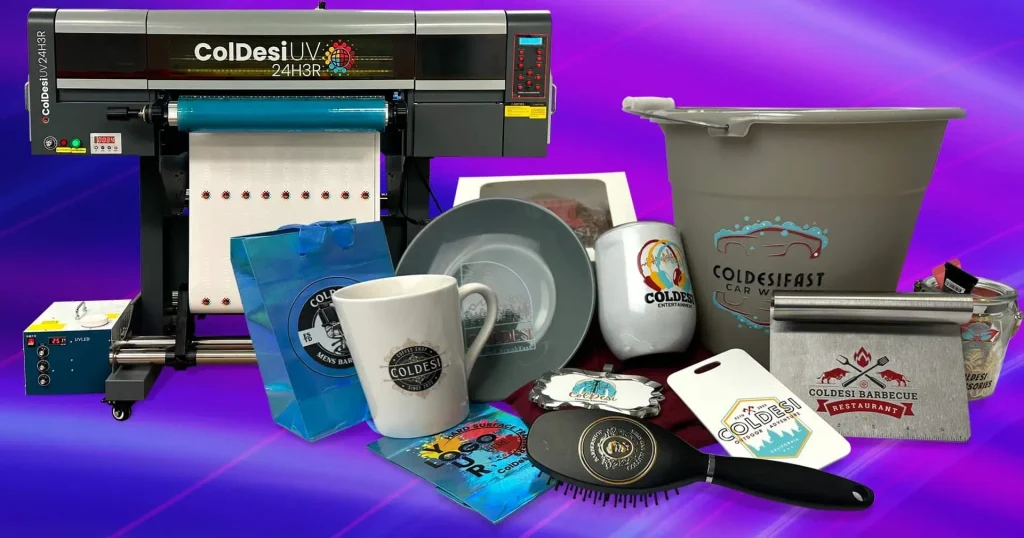
If you’re venturing into the world of printing technology, UV DTF printing, or Direct to Film printing, is earning a reputation for revolutionizing custom printing solutions. This cutting-edge method unites the precision of UV printing with innovative transfer techniques to produce stunning, vibrant images on diverse materials. As a beginner, immersing yourself in the fundamentals of UV DTF printing opens new avenues for creativity and profitability. Not only does this custom printing technology offer versatility in substrates—from textiles to metal—but it also ensures durability and unmatched quality in your prints. In this beginner printing guide, we’ll explore the many benefits of UV DTF and provide you with essential steps to kickstart your printing journey in 2023.
In the realm of modern printing, the term UV DTF printing, or Direct to Film technology, is generating buzz among aspiring printers and entrepreneurs alike. This innovative approach combines ultraviolet (UV) curing techniques with transfer printing methods, resulting in uniquely high-quality outputs suitable for a variety of applications. With its exceptional versatility, this printing style enables users to work with an array of materials—from plastic and metal to fabric and wood—offering a broad canvas for creative expression. As we delve deeper into this dynamic printing method, we will uncover the ways UV DTF printing can enhance your projects, its eco-friendly aspects, and invaluable techniques to ensure your success in this exciting industry.
Understanding UV DTF Printing: A New Era of Customization
UV DTF printing is a revolutionary technique that merges the advantages of direct-to-film technology with the prowess of UV printing. This innovative method allows for vibrant and detailed prints on a wide array of substrates, including textiles, plastics, and even wood. Unlike traditional printing methods that rely on solvent or water-based inks, UV DTF printers utilize ultraviolet light to cure the ink, resulting in a superior bond that enhances durability and longevity of prints. As we embrace 2023, the potential applications of this technology are expanding, making it ideal for personalized items like custom apparel and promotional goods.
For beginners entering the custom printing sphere, understanding the nuances of UV DTF can set you apart from competitors. This method not only improves print quality but also opens up avenues for creativity with colors and designs that can cater to niche markets. The ability to print on diverse materials means you can offer a comprehensive service to your clients, giving you a competitive edge. With such versatility, UV DTF is poised to redefine the landscape of custom printing.
Key Advantages of UV DTF Printing
One of the standout benefits of UV DTF printing is its unmatched versatility. This process is capable of producing high-quality prints on a variety of materials, expanding your possibilities beyond textiles to include signage, packaging, and promotional items. Unlike traditional methods that often limit you to specific surfaces, UV DTF allows for creative freedom, enabling businesses to cater to diverse client needs. The ability to easily adapt to different substrates can also lead to increased revenue streams for small businesses venturing into custom printing.
In addition to versatility, UV DTF printing offers remarkable durability. The UV-curable inks are resilient against fading, scratching, and peeling, ensuring that the prints maintain their vibrancy over time. This durability results in high-quality finished products that can withstand everyday wear and tear, making them ideal for items that are frequently used or displayed. Moreover, the eco-friendly formulation of many UV inks aligns with modern sustainability standards, appealing to a growing audience more conscious of environmental impacts.
Getting Started with UV DTF Printing: Essential Steps
Embarking on your UV DTF printing journey begins with the crucial step of selecting the right printer. It’s essential to research various models that fit your budget while also meeting your operational needs. Leading brands like Mimaki and Roland offer printers specifically designed for both newcomers and seasoned professionals, catering to varying scales of printing. Your choice should focus not only on the initial cost but also on the machine’s capabilities, such as speed, print quality, and compatibility with various substrates.
After securing a reliable UV DTF printer, the next step is to gather the necessary materials. This includes high-quality transfer films designed for DTF applications, UV-curable inks, and a heat press for efficient transfer. Having quality equipment is vital for producing excellent prints; thus, investing in reputable suppliers for inks and films will significantly enhance the longevity and quality of your outputs. The right setup can facilitate a smooth workflow and ensure that you achieve the desired results consistently.
Mastering Software for UV DTF Printing
A solid understanding of graphic design software is a cornerstone of successful UV DTF printing. Programs like Adobe Illustrator and CorelDRAW are industry standards that immensely aid in preparing prints. These tools allow you to design intricate graphics that can be directly translated to the print medium, ensuring high-resolution outputs that meet client expectations. Moreover, familiarity with software functionalities enhances efficiency, encouraging you to experiment and innovate in your design process.
Beyond mere design, mastering software involves understanding color management and image resolutions. When preparing files for printing, it’s crucial to ensure that colors are printed accurately and that the resolution is high enough to avoid pixelation in larger prints. Learning about layers and gradients can also add depth and richness to your designs, making your printed materials stand out. As a beginner printer, investment in software training can substantially elevate your skill set and broaden your potential in the market.
Cost Implications and Budgeting for UV DTF Printing
Entering the UV DTF printing realm requires a clear understanding of the financial commitments involved. A quality UV DTF printer can range from $5,000 to $20,000, not including expenses for inks, transfer films, and maintenance services. Therefore, it is paramount to create a comprehensive budget that accounts for both initial investments and ongoing costs. Effective cost management will allow you to offer competitive pricing while maintaining profitability.
Additionally, as you plan your budget, consider potential revenue streams from niche markets. Offering customized solutions for specific industries can enhance your appeal and improve your return on investment (ROI). By targeting local businesses needing promotional products or artists seeking merchandise solutions, you can establish a loyal client base. Building a solid marketing strategy that emphasizes the quality and uniqueness of your UV DTF prints will further enhance your profitability.
Resources and Community Support for UV DTF Enthusiasts
As you delve into the world of UV DTF printing, leveraging online resources can tremendously boost your learning curve. Platforms like YouTube provide a wealth of tutorials covering everything from printer maintenance to advanced design tips. Engaging with these resources can help demystify technical aspects and offer practical insights. Additionally, online forums and social media groups are valuable for connecting with fellow printing enthusiasts who share experiences and solutions to common problems.
Being part of a community is especially advantageous for beginners, as it creates a supportive environment where you can ask questions and seek guidance. Many established printers are more than willing to share their insights, making it easier to navigate the challenges of starting in UV DTF printing. Attending virtual workshops or webinars focused on the latest trends in printing technology can also keep you informed and inspire new ideas for your business.
Frequently Asked Questions
What is UV DTF printing and how does it work?
UV DTF printing, or Direct to Film printing, combines UV printing technology with transfer printing techniques to produce high-quality, durable prints on various surfaces. This method uses ultraviolet light to cure inks, allowing for vibrant images on materials such as plastics, metals, textiles, and wood.
What are the benefits of UV DTF printing for custom projects?
The benefits of UV DTF printing include versatility in material compatibility, durability against wear and fading, high-quality resolution and color reproduction, and eco-friendly ink options. These factors make UV DTF an excellent choice for a wide range of custom printing projects.
How can beginners get started with UV DTF printing?
Beginners can start with UV DTF printing by selecting an appropriate printer, gathering necessary materials such as UV-curable inks and transfer films, familiarizing themselves with graphic design software, and mastering printing techniques to ensure high-quality outputs.
What equipment is essential for UV DTF printing?
Essential equipment for UV DTF printing includes a high-quality UV DTF printer, specialized transfer films, UV-curable inks, and a heat press for transferring designs onto target surfaces. Investing in reliable equipment is crucial for successful operations.
Is UV DTF printing cost-effective for small businesses?
While the initial investment in UV DTF printing equipment can range from $5,000 to $20,000, the long-term return on investment can be significant. By targeting niche markets and effective marketing strategies, small businesses can achieve profitability using this custom printing technology.
Where can I learn more about UV DTF printing techniques?
To learn more about UV DTF printing techniques, consider exploring online resources such as YouTube tutorials, graphic design forums, and dedicated printing communities on social media, where experienced printers share insights and advice on best practices.
| Key Aspect | Description |
|---|---|
| What is UV DTF? | A sophisticated printing process combining UV and transfer techniques for high-quality outputs on various materials. |
| Benefits | 1. Versatility: Prints on multiple surfaces. 2. Durability: Resistant to fading and scratching. 3. Quality: High-resolution and excellent color reproduction. 4. Eco-Friendly: Less harmful inks compared to conventional types. |
| Getting Started Steps | 1. Select a suitable UV DTF printer. 2. Gather necessary materials (printer, transfer films, inks, heat press). 3. Learn graphic design software basics. 4. Master printing techniques (color management, image resolution, layering). 5. Consider financial implications (initial investments and ROI). |
Summary
UV DTF printing offers a remarkable entry point into the printing industry for novices in 2023. This innovative method combines the precision of UV technology with the flexibility of transfer techniques, enabling the production of vivid and durable prints across a wide range of materials. By understanding the steps to initiate your UV DTF printing journey, from choosing the right equipment to mastering essential printing techniques, you set the foundation for a successful printing business. Embracing eco-friendly practices in UV DTF printing not only enhances your product offerings but also appeals to a growing market of environmentally-conscious consumers. Dive into this technology and leverage the resources available to ensure your endeavors in UV DTF printing are fruitful.