
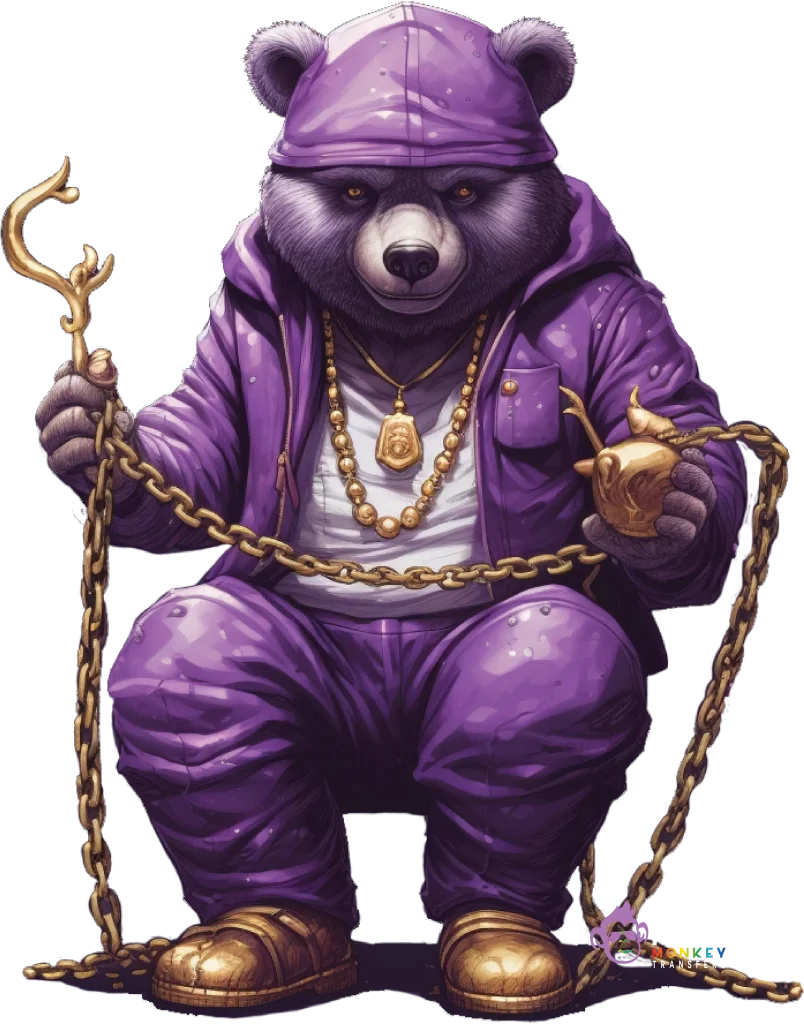
DTF designs, stemming from the innovative Direct-to-Film (DTF) printing technology, are turning the apparel industry on its head with their ability to produce stunning and vibrant prints. This dynamic process allows creators to print detailed designs on transfer films that easily adhere to various fabric types, including cotton and polyester blends. As custom apparel design becomes more popular, understanding the DTF process is essential for anyone looking to elevate their garments with eye-catching artwork. In this guide, we will illuminate the step-by-step journey of crafting exceptional DTF designs, ensuring your creativity is matched by lasting quality. Join us as we explore the exciting world of DTF transfer films, where color and durability come together to form impressive wearable art.
In the realm of fabric printing, Direct-to-Film printing, often abbreviated as DTF, has emerged as an efficient method for applying intricate designs to clothing. This technique, which utilizes specialized transfer films, appeals to those engaged in custom apparel design due to its versatility and impressive color vibrancy. The DTF process not only simplifies the creation of complex imagery but also enhances the durability of the prints on various materials. For enthusiasts and professionals alike, mastering the art of DTF designs opens doors to an array of innovative possibilities in fashion and merchandising. As we delve deeper into this transformative printing method, you’ll discover the essential steps that lead to creating high-quality apparel that truly stands out.
What is Direct-to-Film (DTF) Printing?
Direct-to-Film (DTF) printing is a contemporary technique that transforms the way designs are transferred onto fabric. By utilizing specialized films and high-precision printers, DTF enables the application of vibrant and detailed graphics on a variety of materials, particularly those common in custom apparel design. This method stands out due to its capability to produce intricate color patterns which remain durable through numerous washes, ultimately providing not just visual appeal but also long-lasting quality.
As DTF printing continues to gain traction among designers and small business owners alike, its versatility is becoming increasingly recognized. The DTF process allows for designs that are not only vivid but also flexible, adhering well across different fabric types including cotton, polyester, and blends. This has made DTF printing a preferred choice for creating custom apparel, whether it’s for personal use or retail.
The Essential Tools for DTF Printing
To embark on your DTF printing journey, having the right tools and materials is critical for achieving exceptional results. First, a high-quality DTF printer is indispensable; these printers are specifically engineered to handle the unique demands of the DTF process, ensuring that prints are sharp and adhere well to transfer films. Additionally, sourcing high-grade DTF transfer films is essential, as the quality of the film directly influences the final appearance of your designs on fabric.
Alongside the printer and film, investing in a suitable heat press is necessary for successfully transferring images to your garments. The heat press ensures consistent temperature and pressure, which is vital for properly curing the DTF powder adhesion. Lastly, don’t forget to include DTF powder adhesive; this key component provides the necessary binding properties, enabling designs to withstand the rigors of washing and wearing, which is particularly important in the competitive landscape of custom apparel design.
—
The Step-by-Step DTF Process for Apparel
Creating stunning DTF designs involves several key steps that can easily be followed by both beginners and experienced designers. First, you need to create your design using graphic design software like Adobe Illustrator. It’s crucial to ensure your design is created at a high resolution (300 DPI) for optimal clarity. When preparing your artwork, apply a transparent background which aids in achieving a clean print on your chosen fabric.
Next, transfer your design onto the DTF transfer film using your DTF printer, making sure to mirror the image prior to printing. This is important because the design needs to appear correctly on the final garment. After printing, while the ink is still wet, the DTF powder adhesive needs to be evenly sprinkled over the design—this is a critical step, as it binds the ink to the fabric during the application process. With meticulous attention to each step, you’ll ensure the creation of vibrant DTF designs that thrill your customers.
Best Practices for Successful DTF Printing
To achieve optimal results with DTF printing, it’s essential to follow some established best practices. Conduct test prints before finalizing your designs to ascertain how the colors will appear on various fabrics. This is especially important, as different materials can drastically affect the perception of colors and print durability. Choosing the right fabric is also crucial—DTF works extremely well on cotton, polyester, and blends, providing flexibility in your apparel offerings.
Furthermore, maintaining organized artwork files can save time and hassle, especially when dealing with multiple designs or bulk orders. It’s advantageous to keep versions categorized and labeled accordingly to streamline your workflow. By adhering to these best practices, you can enhance the quality of your DTF prints while optimizing your design processes.
Latest Trends in DTF Printing Technology
The DTF printing landscape is rapidly evolving with exciting innovations that affect both production techniques and material use. One of the most significant trends is the movement towards environmentally friendly materials, including sustainable inks and adhesives. These advancements are not only appealing to eco-conscious consumers but also align with wider industry goals of reducing environmental impact.
Additionally, the durability of DTF prints is improving, with new formulations that enhance wash resistance and overall longevity. This allows custom apparel designers to create products that not only offer striking visuals but also maintain their integrity through repeated usage in everyday wear. Keeping up with these trends can provide a competitive edge, ensuring that your DTF designs remain relevant and desirable in an ever-changing market.
Getting More Help with DTF Printing
For those eager to dive deeper into the nuances of DTF printing, numerous resources are available to assist you in expanding your knowledge and skills. Websites such as Printiverse and ProGraphics offer guides and tutorials tailored for both beginners and seasoned professionals, covering everything from basic principles to advanced techniques in DTF printing.
Additionally, platforms like YouTube present a wealth of visual content that can help you better understand the DTF process through step-by-step tutorials. These resources can significantly enhance your skill set, empowering you to create even more stunning DTF designs for your custom apparel projects.
Frequently Asked Questions
What is DTF printing and how does it work?
DTF printing, or Direct-to-Film printing, is an innovative method that transfers designs onto film before applying them to fabrics. The process involves printing your design onto special DTF transfer films, applying a powder adhesive, and using heat to transfer the design onto various materials like cotton and polyester. This technique is favored for its ability to create vibrant, durable designs.
What materials do I need to create DTF designs?
To create DTF designs, you will need a DTF printer capable of printing on transfer films, high-quality DTF transfer films, a powder adhesive for binding the ink, and a heat press to apply the design onto your garment. These materials ensure that your DTF prints are vibrant and long-lasting.
Can DTF printing be used on any fabric type?
Yes, DTF printing is versatile and can be applied to a variety of fabric types, including cotton, polyester, and cotton blends. This makes DTF designs suitable for a range of custom apparel products, allowing for the creation of intricate designs on different materials.
What are the advantages of using DTF transfer films for custom apparel design?
DTF transfer films offer several advantages for custom apparel design, including the ability to produce bright, high-quality prints with excellent washability. Additionally, the DTF process allows for intricate designs and color gradients, making it a popular choice among custom apparel designers seeking versatility and durability.
How do I ensure the longevity of my DTF designs?
To ensure the longevity of your DTF designs, it is crucial to properly follow the DTF process, including using high-quality materials and correctly curing the adhesive. After transferring your design, applying heat again can enhance adherence and wash resistance, ensuring that your vibrant prints withstand multiple washes.
What are the latest trends in DTF printing technology?
Recent trends in DTF printing technology include an increased focus on eco-friendly materials, such as sustainable inks and adhesives. Additionally, advancements in DTF printing techniques are leading to improved durability and wash resistance, allowing for even higher quality and longevity of DTF designs on apparel.
| Step | Description | Tips |
|---|---|---|
| 1. Design Creation | Create your artwork in graphic design software, ensuring high quality and proper settings. | Use 300 DPI, transparent backgrounds, vibrant colors, and mirror the design before printing. |
Summary
DTF designs have transformed the landscape of custom apparel. By mastering the DTF printing process, you can produce remarkable designs that are not only visually appealing but also durable. With vital steps, from creating high-resolution designs to applying heat correctly during transfer, the potential for creativity is limitless. Whether you’re a beginner or an experienced designer, leveraging DTF technology allows you to produce personalized, vibrant apparel that stands out in any market. As the trends evolve, embracing innovations in DTF printing will enable you to remain at the forefront of design, making every piece a canvas for your imagination.